Physical Address
Islamabad, PK
Physical Address
Islamabad, PK

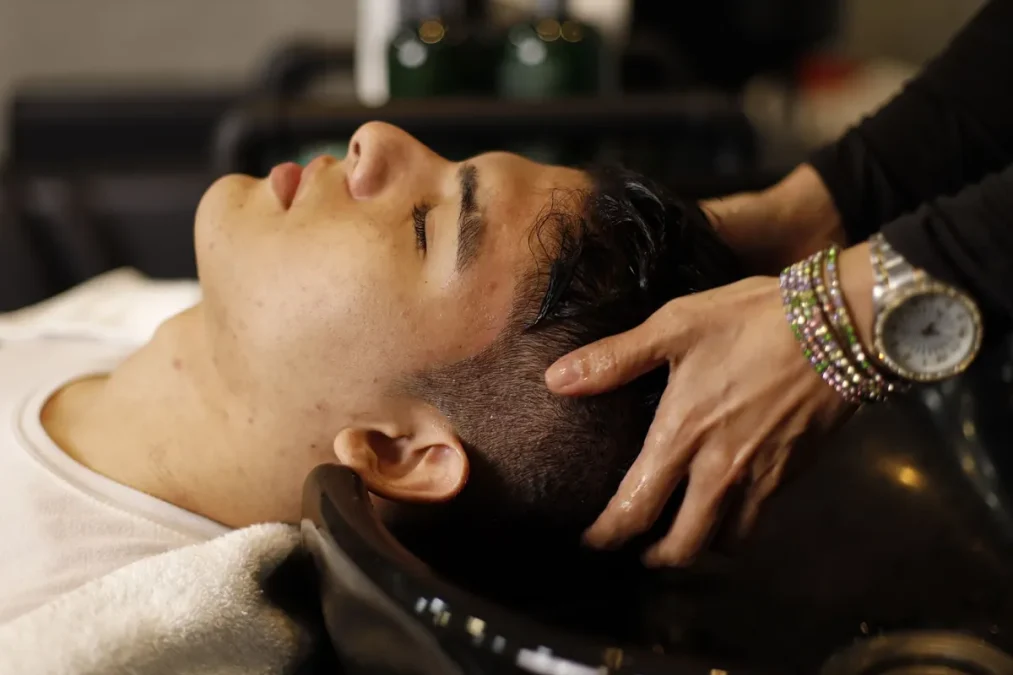
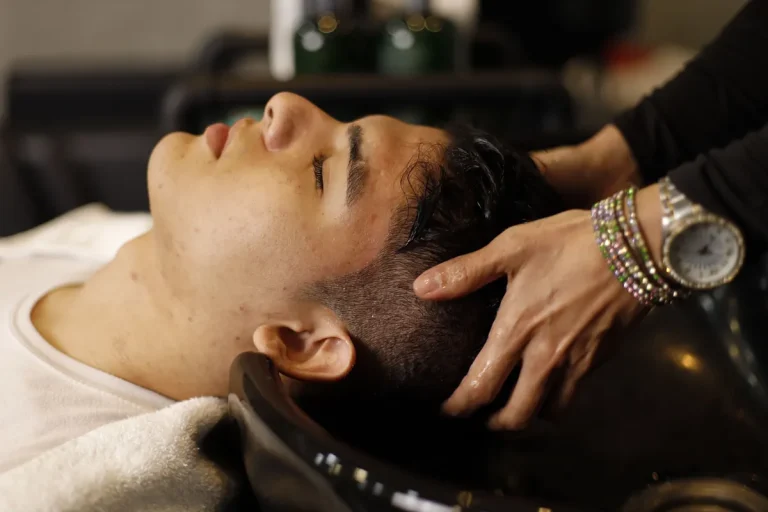
Your scalp is the skin under your hair, and it needs care like the skin anywhere else on your body. Most men wash their hair without ever thinking about the scalp underneath it — then wonder why it itches, flakes, or feels tight. The fix is not a special product or a long routine. It is eleven plain basics: wash the right amount, use your fingertips, rinse fully, keep the water lukewarm, dry gently, clear the build-up, watch for changes, keep your brush and comb clean, keep hats and headwear clean, keep styling product on the hair not the scalp, and protect the scalp from strong sun. This guide explains each one in plain words, shows the signs that your scalp needs care, and tells you when a change needs a doctor.
Your scalp is the skin on the top of your head, under your hair. It is skin, just like the skin on your hands or your face — and like skin anywhere else, it can feel dry or oily, and it can get sore if it is scratched or rubbed hard.
Hair grows out of the scalp. Every hair on your head starts there, so the scalp sits at the base of your whole hairstyle. When the scalp feels clean and calm, the hair that grows from it tends to look and feel its best. When the scalp is coated, itchy, or sore, the hair tends to show it too — flat, dull, or hard to style as a tendency.
That is why scalp care matters. It is not about treating a problem or fixing your hair with a trick. It is about keeping the skin under your hair clean and comfortable, day after day, with a few plain habits. The eleven basics below are the whole of it.
“We are what we repeatedly do. Excellence, then, is not an act but a habit.”
Will Durant, The Story of Philosophy (1926)
Your scalp tells you when it needs care. You do not need a test or a tool to hear it — you need to look and feel. These are the signs to watch for:
One sign on its own is not a reason to worry. A sign that stays for weeks, gets worse, or comes with larger hair loss than usual is a reason to see a doctor — the “When to See a Doctor” section below says more. Until then, the eleven basics are the care your scalp needs.
What it is: Washing as often as your own scalp needs — no fixed number of days, because scalps differ from man to man.
Why it matters: Too little washing lets dirt, sweat, oil, and leftover product pile up on the scalp. Too much washing can leave the scalp feeling dry as a tendency. The right amount sits between the two, and only your own scalp can tell you where it is.
How to do it: Let your scalp tell you. Wash when it feels oily or dirty. Ease off if it feels dry and tight after washing. If your scalp feels greasy by the next morning, wash more often. If it feels dry after every wash, wash less often. Your scalp sets the pace — a calendar does not. The full wash guide is the shampoo and conditioner guide.
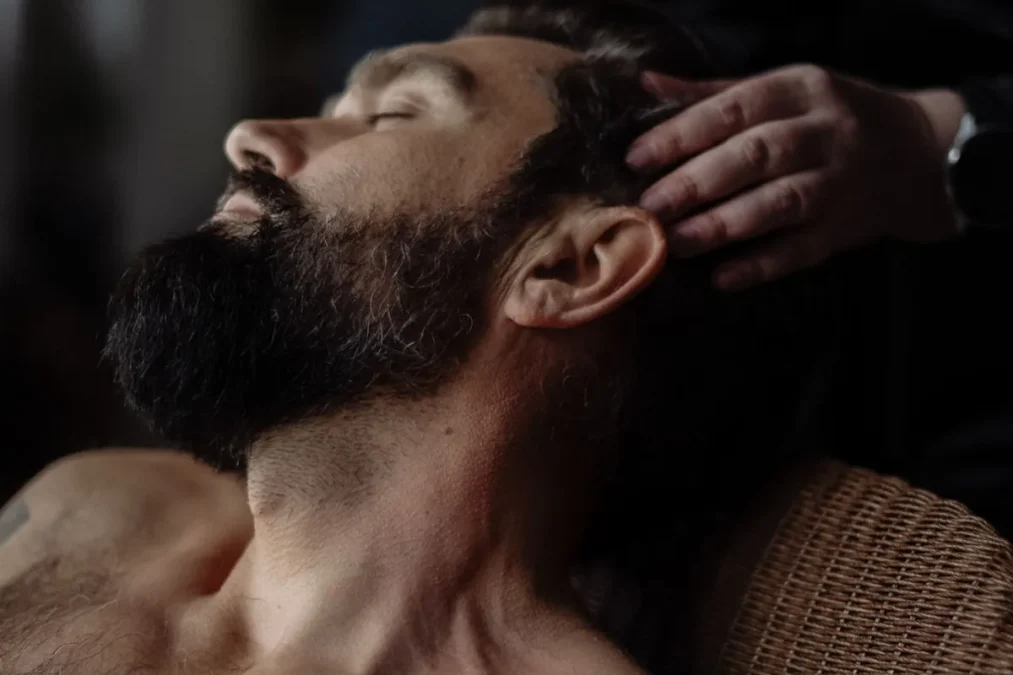
What it is: Massaging the shampoo in with the soft pads of your fingers, not scratching with your nails.
Why it matters: Nails can scratch the skin, and scratched skin can get sore. Fingertips clean just as well without scratching. A scalp that is massaged gently tends to feel calm after a wash; a scalp that is scratched tends to feel sore as a tendency.
How to do it: Small, slow circles with the pads of your fingers, over the whole scalp — the top, the sides, and the back. Then let the shampoo rinse out. You do not need to press hard. Light pressure with the pads is enough to spread the shampoo and lift away dirt.
What it is: Letting clean water run over the whole scalp until no shampoo or conditioner is left behind.
Why it matters: Shampoo or conditioner left on the scalp can build up over days and leave the scalp feeling coated and itchy as a tendency. A full rinse is what makes the wash count — a quick splash leaves the job half done.
How to do it: Rinse longer than you think you need to, and run your fingers through the hair while the water runs, so no spot is missed. Check the back of the head and behind the ears — those are the spots men tend to miss as a tendency. When the hair feels clean and squeak-free under your fingers, the rinse is done.
What it is: Washing with water that feels warm, not hot, on your skin.
Why it matters: Very hot water can feel harsh on skin and leave the scalp feeling dry as a tendency. Lukewarm water cleans just as well and feels gentler on the skin underneath your hair.
How to do it: Turn the heat down until the water feels warm and easy on your hand, then wash as normal. If the water makes your skin go pink, it is too hot — turn it down. You do not need cold water either. Warm is the middle ground, and the middle ground is the point.
What it is: Patting the hair dry with a towel instead of rubbing it hard.
Why it matters: Rubbing wet hair hard can tug at the hair and rub the scalp raw as a tendency. Wet hair is weaker than dry hair, so hard rubbing pulls at the roots. Patting is gentler on the hair and on the skin underneath it.
How to do it: Press the towel against the hair and let it soak up the water, then let the air finish the job. Work in sections — top, sides, back — and press rather than rub. If you use a hair dryer, keep it on a low heat and hold it away from the scalp; the wider haircare routine covers drying and styling in general.

What it is: Washing styling product out of the hair and scalp instead of letting it pile up day after day.
Why it matters: Product left in over days builds up on the scalp, and a coated scalp can feel itchy and look dull as a tendency. Fresh product on top of old product does not style better — it sits heavier and leaves the scalp with no room to breathe.
How to do it: Wash the product out at the end of the day, or at least on your next wash day, and rinse fully. If you use product every day, wash every day or every other day, as your scalp needs. The point is simple: what goes on the hair should come off the scalp again, not stay there for a week.
What it is: A quick look and feel each time you wash — checking for flakes, itch, soreness, or redness.
Why it matters: A change caught early is easier to deal with than one left for weeks as a tendency, and it tells you when to get help. Most scalp problems do not start in a day — they build slowly, and the man who checks his scalp is the man who spots the build.
How to do it: Notice what is normal for your scalp — how it feels after a wash, how it looks in the mirror, how it feels under your fingers. If something new shows up and stays for weeks, gets worse, or comes with larger hair loss than usual, see a doctor. The next sections say what to avoid and when to get help.
“An ounce of prevention is worth a pound of cure.”
Benjamin Franklin, Pennsylvania Gazette (1735)
What it is: Washing your brush or comb now and then, so dirt and oil do not sit in it.
Why it matters: A brush or comb picks up dirt, oil, and leftover product from the hair each time you use it. A dirty brush puts all of that back onto the scalp the next time you brush as a tendency, and the scalp gets no clean start. A clean brush keeps the wash honest.
How to do it: Pull the loose hair out of the brush or comb after use, and wash it with warm water and a little shampoo now and then, then let it dry. If the brush looks coated or feels sticky, it is time to wash it. A clean tool is part of the routine, not an extra job.

What it is: Washing hats, caps, and other headwear that sits on your head, instead of wearing the same unwashed hat day after day.
Why it matters: A hat sits right against the scalp and soaks up sweat, oil, and dirt. A hat worn day after day without washing puts all of that back onto the scalp as a tendency, and a tight hat worn all day can leave the scalp feeling warm and pressed. Clean headwear keeps the scalp clean.
How to do it: Wash hats as often as they need it — when they feel damp, look dirty, or smell of sweat. Let them dry fully before wearing them again. If you wear a hat all day, take it off when you can and let the scalp get some air. A loose fit is kinder than a tight one as a tendency.
What it is: Putting styling product on the hair itself, and keeping it off the skin underneath.
Why it matters: Styling product is made for the hair, not for the skin. Product put straight on the scalp coats the skin and adds to the build-up that basic 6 has to wash out as a tendency. Product on the hair does the styling job without sitting on the scalp.
How to do it: Rub the product between your hands first, then work it through the hair from the middle to the ends, keeping your hands off the scalp itself. If product does reach the scalp, wash it out at the end of the day, as basic 6 says. Less product on the skin means less to wash out later.
What it is: Covering the scalp, or keeping it out of strong sun, when the sun is at its strongest.
Why it matters: The scalp is skin, and skin can burn in strong sun as a tendency — most of all where the hair is thin, parted, or short, and the skin shows through. A burnt scalp can feel sore and tight, and sore skin is the opposite of the calm scalp this guide is for.
How to do it: Wear a clean, loose hat when you will be out in strong sun for a while, or stay in the shade when you can. If you do get sun on the scalp and it feels sore, keep it cool and dry and let it settle — and see a doctor if the soreness stays or gets worse, as the “When to See a Doctor” section says.

The eleven basics work best when five bad habits stay out of the way. Each one works against a basic above:
This guide is general care, not treatment. It names no condition, gives no cause, and offers no fix for a problem — and that is on purpose. A scalp change that needs a name and a fix needs a doctor, not a blog post.
See a doctor if:
A doctor can look at the scalp, name what is going on, and say what to do next. That is the doctor’s job, and this guide does not try to do it. What this guide does is keep a normal scalp clean and comfortable — and tell you plainly when the job has passed to a doctor.
For more on healthy hair care, see the American Academy of Dermatology’s healthy hair tips.
The eleven basics are not eleven extra jobs. They fit into the wash you already do. Here is the whole routine, in order:
Nothing new here. This is the eleven basics in order, as a habit, not a new set of rules. A routine you can keep is better than a perfect routine you drop after a week as a tendency.
“The journey of a thousand li commenced with a single step.”
Laozi, Tao Te Ching, ch. 64, trans. James Legge (1891)
A li is an old Chinese measure of distance — the point is that a long journey starts with one small step.
Your scalp is the skin under your hair, and it needs the same gentle care as skin anywhere else. The signs it needs care are plain — flakes, itch, a tight or dry feeling, an oily feeling, soreness, redness — and the care itself is eleven plain basics: wash the right amount, use your fingertips, rinse fully, keep the water lukewarm, dry gently, clear the build-up, watch for changes, keep your brush and comb clean, keep hats and headwear clean, keep styling product on the hair not the scalp, and protect the scalp from strong sun. Avoid the five bad habits that work against those basics, and see a doctor if a change stays for weeks, gets worse, or comes with larger hair loss. The routine is the basics in order, as a habit you can keep.
As often as your own scalp needs — there is no fixed number that fits every man. Wash when the scalp feels oily or dirty, and ease off if it feels dry and tight after washing. Your scalp tells you the pace; a calendar does not. The shampoo and conditioner guide covers washing in full.
This guide gives no cause for flakes, because flakes can come from more than one thing and only a doctor can say which one it is for you. Dry skin and leftover product are two things that can sit alongside flakes as a tendency, but naming the cause is the doctor’s job, not this guide’s. If flakes stay for weeks or get worse, see a doctor.
Yes, as a tendency. Nails can scratch the skin, and scratched skin can get sore — and scratching does not fix the itch underneath. Use the pads of your fingertips to massage the scalp when you wash instead, and if the itch stays for weeks, see a doctor.
No — keep the water lukewarm. Very hot water can feel harsh on skin and leave the scalp feeling dry as a tendency. Turn the heat down until the water feels warm and easy on your hand, then wash as normal.
Scalp care keeps the scalp clean and comfortable, but it does not regrow hair or treat thinning — no care routine makes that promise in this guide. If thinning is the worry, the thinning-crown guide, the thinning-hair guide, and the receding-hairline guide cover cuts that suit thinning hair, and a doctor can say more about the hair itself.
No special product is needed for the basics in this guide — a gentle wash, used with your fingertips and rinsed fully, is the whole of it. This guide names no brand and no ingredient, and it recommends no product. The shampoo and conditioner guide covers choosing and using shampoo in full.
Feel it and look at it: a dry scalp tends to feel tight or rough and may show flakes, while an oily scalp tends to feel greasy soon after a wash and the hair may look flat as a tendency. Either way, the basics stay the same — wash as often as your own scalp needs, use your fingertips, rinse fully, and keep the water lukewarm.
See a doctor if a change stays for weeks, gets worse, or comes with larger hair loss than usual — flakes, itch, soreness, or redness that do not settle on their own. This guide is general care, not treatment, and it does not diagnose anything. A doctor can look at the scalp, name what is going on, and say what to do next.