Physical Address
Islamabad, PK
Physical Address
Islamabad, PK

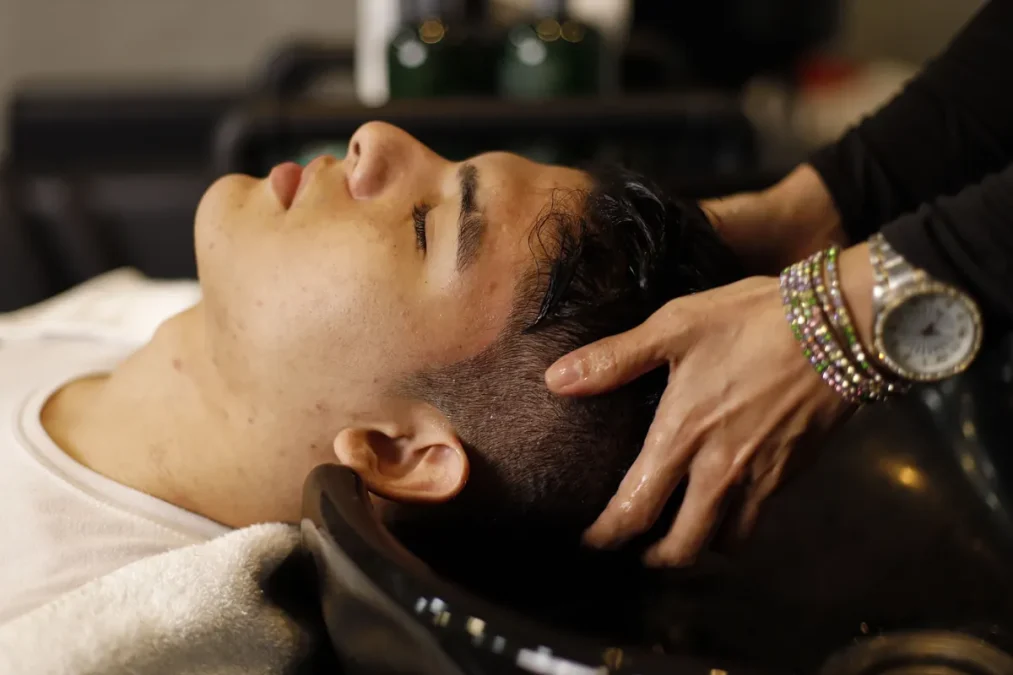
Shampoo cleans your hair and scalp. Conditioner smooths it after. That is the whole pair, in that order — shampoo first, conditioner second.
Most men wash their hair without thinking about it. They use too much shampoo. They put conditioner on the scalp. They rinse too fast. Small mistakes like these leave hair feeling coated, heavy, or dull. The fix is simple. A few plain rules cover the whole wash.
This guide gives you those rules. You will learn what shampoo does, what conditioner does, and how the two differ. You will learn seven plain rules, how to choose by hair type, a simple wash routine in order, and the mistakes to avoid. There are no product picks here, no prices, and no brand advice. This is a guide to washing, not a shop list.
Shampoo is a wash product made to clean hair and scalp. It lifts dirt and oil so water can rinse them away. You work it in with your fingers, and it forms a foam. That foam is called a lather. The lather carries the dirt away when you rinse.
Shampoo does not smooth the hair on its own. It does not style it either. Its job is cleaning, and it does that job well when you use it on the scalp. The scalp is the skin under the hair. That is where oil and dirt build up most. The hair itself needs far less cleaning than the scalp does, as a tendency.
Conditioner is a rinse-out product used after shampoo. It makes hair feel smoother and easier to comb, as a tendency. You smooth it through the hair, leave it for a short while, and rinse it out.
The ends of the hair are the oldest part of each strand. They tend to feel drier than the roots, as a tendency. That is why conditioner helps there most. The lengths and ends are the middle and the tips of the hair — everything below the roots.
Conditioner does not clean the hair. It is not a replacement for shampoo. If the hair is dirty, wash it with shampoo first, then use conditioner. The two products do two different jobs, and neither one does the other’s job.
Shampoo first, conditioner second — always in that order. Shampoo cleans, conditioner smooths. Two jobs, two products.
Shampoo goes on the scalp and through the hair. Conditioner goes on the lengths and ends. Both are rinsed out. Neither one is meant to stay in the hair.
Think of it like washing a car and then waxing it. The wash takes the dirt off. The wax makes the surface smooth after. Shampoo is the wash. Conditioner is the smooth finish. Skip the wash, and the smooth finish sits on dirt. Skip the conditioner, and the hair feels rough after cleaning.
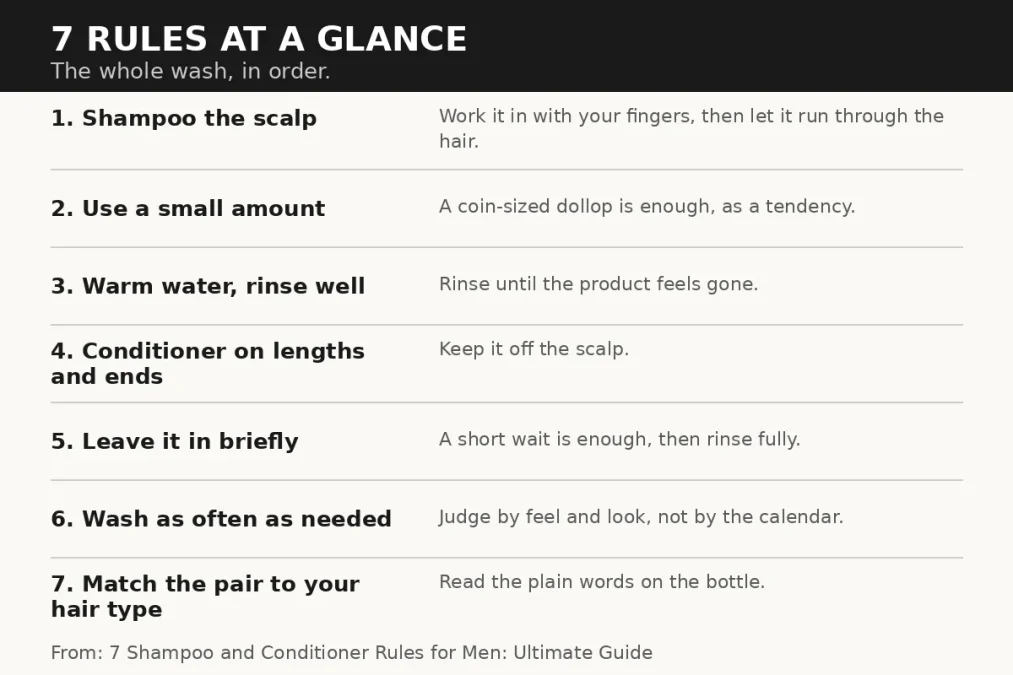
Work the shampoo into the scalp with your fingers, then let it run through the hair. The scalp is where oil and dirt build up most. The hair ends need far less cleaning, as a tendency.
Wet the hair first. Put a small amount of shampoo on your hands. Rub it into the scalp with your fingertips. Use small circles, and cover the whole scalp — front, sides, and back. Let the foam run down the hair as you rinse. That is enough cleaning for the lengths and ends.
A coin-sized dollop is enough, as a tendency. A coin-sized dollop is about the size of a small coin in your palm. Start small, work it in, and add a little more only if the scalp still feels unwashed.
More product does not mean cleaner hair, as a tendency. Extra shampoo is harder to rinse out. It tends to leave hair feeling coated. A small amount spreads fine when you work it in with your fingers. Let the water and the rubbing do the work, not the amount.
Wet the hair with warm water before you start. Warm water feels comfortable on the scalp for most people. It also helps the shampoo spread and lift dirt.
Rinse until the product feels gone. Rinsing means running water through the hair until the foam is gone and the hair feels clean. Do not rush this step. The rinse is what carries the dirt away. Rinse the same way after conditioner, until the hair feels smooth but not slippery with product.
Put conditioner on the middle and the ends of the hair, and keep it off the scalp. The lengths and ends are the driest part, as a tendency. That is where conditioner helps most.
The scalp does not need smoothing. Conditioner on the scalp tends to leave hair feeling heavy and coated. It can also make the roots look flat and oily soon after washing.
Squeeze out extra water first, so the conditioner is not washed away at once. Smooth the conditioner through the lengths and ends with your fingers. Keep your hands away from the scalp.
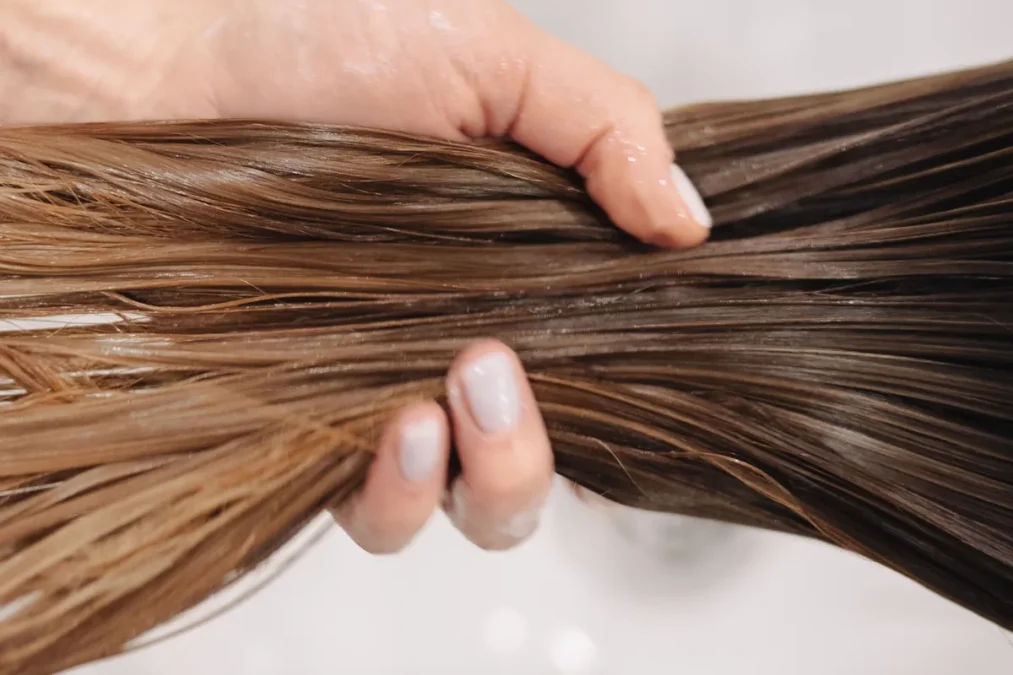
Give the conditioner a short while to work, then rinse it out fully. Put it on, wash your face or body while it sits, then rinse. That short wait is enough.
Leaving it in too long does not help more. Not rinsing it out tends to leave hair feeling coated, as a tendency. Rinse until the hair feels smooth but not slippery with product. Smooth is the goal. Slippery means product is still there.
Wash when your hair feels dirty, oily, or heavy — not by a fixed schedule. Hair and scalps differ. Some hair feels oily fast. Some stays clean longer, as a tendency. A fixed rule for everyone would be wrong for most people.
Judge by feel and look. If the hair looks dull or feels oily, wash it. If it still looks and feels clean, it can wait. No day count is claimed here, because no single count fits every man. Your hair tells you when it needs a wash.
Pick a shampoo and conditioner pair that fits how your hair looks and feels. Hair types differ in plain ways. A pair made for one type tends to suit that type best.
Read the plain words on the bottle about hair type. The bottle may say straight, wavy, curly, thick, fine, oily, or dry. Match those words to your own hair. The next section explains each type in plain words, so you can tell which one is yours.
Straight hair tends to look oily faster, as a tendency, since oil travels down a straight strand easily. A light pair tends to suit it. Light means it cleans and smooths without leaving a heavy feel.
Wavy hair sits between straight and curly. It tends to need a balance — clean without feeling stripped, as a tendency. Stripped means the hair feels too dry and rough after washing.
Curly hair tends to feel drier, as a tendency, since oil travels down a curl slowly. A pair that adds smoothness tends to suit it. The conditioner step matters most for curly hair, since the ends are the driest part.
Thick hair is a lot of hair to cover. Work the shampoo through the scalp in parts, so it reaches everywhere. Take your time. Thick hair hides the scalp under a lot of strands.
Fine hair is made of thin strands. It tends to feel weighed down easily. A light pair tends to suit it. Use conditioner only on the ends, and rinse well, so the hair keeps its lift.
Oily-feeling hair feels greasy soon after washing, as a tendency. Wash when it feels oily, and keep conditioner off the scalp. The scalp is already oily enough without conditioner on top of it.
Dry-feeling hair feels rough or looks dull, as a tendency. Conditioner on the lengths and ends tends to help it feel smoother. Give the conditioner its short wait, and rinse well.
No brands or product picks are named here. The words on the bottle are your guide. Match them to your hair, and you have the right pair.

Step 1: wet the hair through with warm water. Make sure all of it is wet, not just the top layer.
Step 2: put a small amount of shampoo on your hands and work it into the scalp. Use your fingertips in small circles, and cover the whole scalp.
Step 3: rinse the shampoo out fully. Rinse until the foam is gone and the hair feels clean.
Step 4: squeeze out extra water, then smooth conditioner through the lengths and ends. Keep it off the scalp.
Step 5: leave it in for a short while, then rinse fully. Rinse until the hair feels smooth but not slippery with product.
Step 6: dry the hair gently. Pat it with a towel. Do not rub hard, as a tendency — hard rubbing tangles the hair and roughs it up.
That is the whole wash. Six steps, in order, every time.
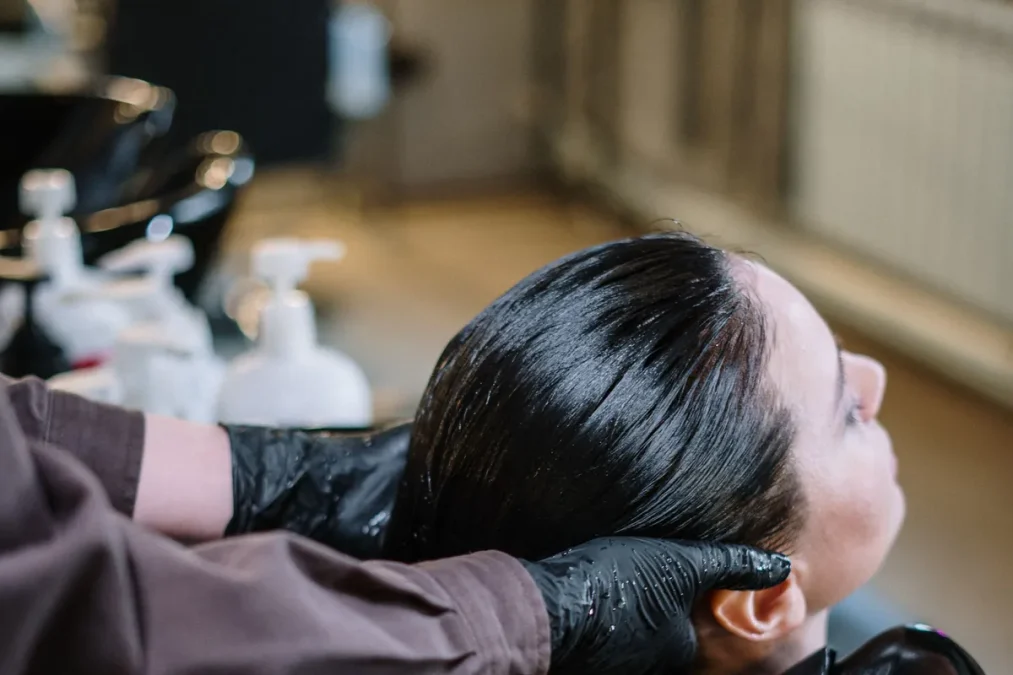
For general healthy-hair guidance, see the American Academy of Dermatology’s tips for healthy hair.
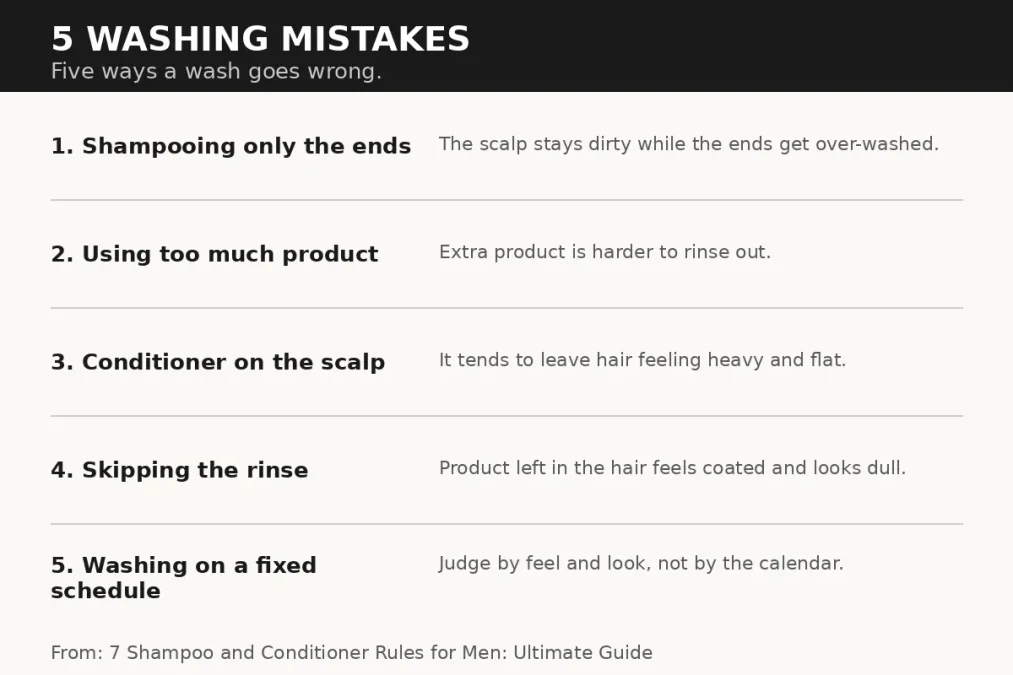
Shampooing only the ends is the first mistake. The scalp stays dirty while the ends get over-washed. Wash the scalp, and let the foam run down the hair.
Using too much product is the second mistake. Extra shampoo and conditioner are harder to rinse out. They tend to leave hair feeling coated. Start small, and add a little more only if you need it.
Putting conditioner on the scalp is the third mistake. It tends to leave hair feeling heavy and flat. Conditioner belongs on the lengths and ends.
Skipping the rinse is the fourth mistake. Product left in the hair tends to leave it feeling coated and looking dull. Rinse until the hair feels clean after shampoo, and smooth but not slippery after conditioner.
Washing on a fixed schedule is the fifth mistake. A schedule that ignores how your hair actually feels washes too often or too rarely, as a tendency. Judge by feel and look, not by the calendar.
Shampoo cleans, conditioner smooths, in that order. Shampoo goes on the scalp, conditioner goes on the lengths and ends. Use a small amount, warm water, and a good rinse after each step. Leave conditioner in for a short while, then rinse it out fully.
Wash when your hair feels dirty, oily, or heavy — not by a fixed schedule. Match the pair to your hair type, and follow the six-step wash routine in order. Avoid the five mistakes, and the wash takes care of itself.
Yes, as a pair they do two jobs: shampoo cleans the hair and scalp, and conditioner smooths the hair after. Shampoo alone tends to leave hair feeling rough; conditioner alone does not clean. Use them in that order — shampoo first, conditioner second.
A small amount is enough — a coin-sized dollop as a tendency. Start small, work it into the scalp with your fingers, and add a little more only if the scalp still feels unwashed. More product does not mean cleaner hair as a tendency, and extra product is harder to rinse out.
No. Put conditioner on the lengths and ends of the hair, and keep it off the scalp. The lengths and ends are the driest part as a tendency, so that is where conditioner helps most. Conditioner on the scalp tends to leave hair feeling heavy and coated.
A short while is enough — put it on, wash your face or body while it sits, then rinse it out fully. No exact minute count is claimed here. Leaving it in too long or not rinsing tends to leave hair feeling coated as a tendency.
Wash when your hair feels dirty, oily, or heavy — not by a fixed schedule. Hair and scalps differ: some hair feels oily fast, some stays clean longer as a tendency. Judge by feel and look. No day count is claimed here.
Conditioner does not clean the hair, so it is not a replacement for shampoo. The pair works in order: shampoo cleans first, conditioner smooths second. If the hair is dirty, wash it with shampoo first, then use conditioner.
Match the plain words on the bottle to how your hair looks and feels. Straight hair tends to look oily faster; curly hair tends to feel drier; fine hair tends to feel weighed down easily, so conditioner only on the ends; thick hair needs the shampoo worked through the scalp in parts. No brands or product picks are named here.
The usual cause is product left in the hair: too much shampoo or conditioner, conditioner on the scalp, or a rinse that stopped too early. Use a small amount, keep conditioner off the scalp, and rinse until the hair feels clean and free of foam, then smooth but not slippery after conditioner.