Physical Address
Islamabad, PK
Physical Address
Islamabad, PK


Old money style is a way of dressing that signals wealth and taste quietly, without logos or flash. It rewards quality fabrics, a good fit, and calm, classic colors. This guide explains what the look is, where it comes from, and exactly how to build it in 2026; from your wardrobe and shoes to grooming and budget-friendly options.
A phrase often linked to editor Diana Vreeland, though also credited to Coco Chanel, captures the spirit well: “Elegance is refusal.” The old money look is about what you leave out as much as what you put on.
TL;DR — Men’s Old Money Style (2026)
Old Money style is about “quiet luxury”—signaling status through quality and fit rather than logos.
- The Look: Logo-free, neutral colors (navy, beige, gray), and natural fabrics (wool, linen, cashmere).
- Key Items: Tailored blazers, chinos, loafers, and oxford shirts.
- The Rule: Fit is everything. A tailored mid-range suit always looks better than an ill-fitting designer one.
- Philosophy: Buy less, choose high-quality pieces, and ignore fast-fashion trends.
Old money style is a men’s aesthetic built on classic tailoring, natural fabrics, and muted colors that suggest inherited wealth and understated taste. It favors quality and fit over trends and visible branding. Old money is one of several established men’s fashion aesthetics, each with its own principles and visual identity.
The look grew out of East Coast prep traditions and has since become a global symbol of quiet sophistication. It is often connected with well-known American families such as the Kennedys and Vanderbilts, but you do not need that kind of background to dress this way. As designer Yves Saint Laurent put it, “Fashions fade, style is eternal.” Old money style aims for the second half of that idea: pieces that stay right for decades.
These three terms are closely related but not identical, which is why people confuse them.
| Term | What It Means | Main Focus |
|---|---|---|
| Old Money | A heritage-rooted style tied to inherited wealth and prep tradition | Class, provenance, and timelessness |
| Quiet Luxury | A broader fashion aesthetic of expensive, understated clothing | Refined materials and minimal design |
| Stealth Wealth | A media label for logo-free luxury dressing | Hiding brand names on purpose |

In short: old money is the cultural idea, quiet luxury is the wider style movement it belongs to, and stealth wealth is the specific habit of avoiding logos. All three overlap in practice, but old money carries the strongest sense of history.
Old money style draws from the East Coast preppy style tradition, which took its recognizable form in the 1950s and 1960s on Ivy League campuses). Brands and outfitters that dressed students at schools like Yale, Harvard, and Princeton helped shape the button-downs, blazers, and loafers still central to the look.
The style began with old traditions and family wealth, but today it is about attitude more than bank balance. The goal is to show taste and ease in a quiet, classic way rather than a loud, flashy one.

Four principles define the look. Follow these and almost any outfit will read as old money.
Old money style keeps branding invisible and lets the piece itself do the talking. Skip large logos and recognizable designer prints. The quality of the fabric, the cut, and the fit should be what people notice first. The logo-free principle of old money overlaps heavily with minimalist fashion, which also prioritizes simplicity and quality.
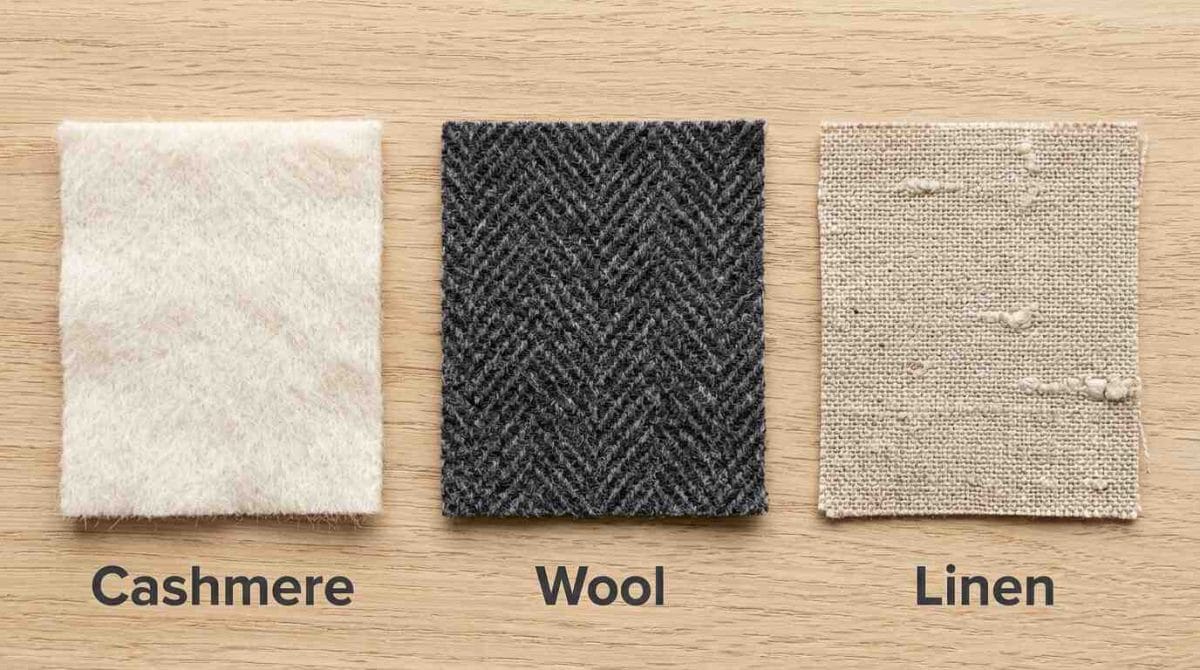
Choose durable natural fabrics such as cashmere, wool, linen, and cotton. These materials age well, feel better on the skin, and last far longer than cheap synthetics. The old money aesthetic values comfort, quality, and craftsmanship over label recognition.
Stick to muted, versatile tones such as navy, gray, cream, beige, and camel. These colors mix easily, never look dated, and let you build many outfits from a few pieces. Bright, busy colors work against the calm mood the style depends on.
Fit matters more than price in old money style. A well-tailored blazer from a mid-range brand will always beat an expensive one that hangs badly. Buy pieces that fit through the shoulders first, then have a tailor adjust the sleeves, waist, and hems.

These are the building blocks of an old money wardrobe. Each one is chosen for versatility and long life.

A tailored suit is the foundation of the look. For everyday, year-round wear, choose Super 110s to 130s Italian wool, which balances softness with durability; save fragile Super 150s for special occasions. Keep colors to navy, charcoal, and mid-gray, and have every suit adjusted by a tailor, whether bespoke or off-the-rack.
Two coats cover most needs:
For relaxed days, keep the same quality standards:
Shoes are quiet status symbols in old money style, so they should be well made and well kept.
A growing trend among luxury shoemakers is eco-conscious leather, including plant-based and traceable options.
The rule is less is more. A few good pieces beat many showy ones.
For more on pairing accessories with tailored outfits, see our guide to men’s accessories.
Build outfits from a simple formula: one neutral base layer, one classic top layer, one quality shoe, and one small accessory. This keeps every look balanced and logo-free.
Three examples show how it works:

Start with neutral colors so the pieces always work together, then add one texture or subtle pattern, such as a knit or fine pinstripe, to keep the look interesting.
You can achieve the look without luxury prices by focusing on fit and fabric instead of labels. Quiet, classic clothes are easier to find secondhand than trend pieces, which makes thrifting a strong strategy. If you are new to secondhand shopping, our guide to vintage clothing for men explains how to identify quality eras and labels.
Practical budget moves:
Adjust fabrics and layers to your local weather while keeping the same neutral, understated look. For specific seasonal outfit ideas, our seasonal style guide offers month-by-month recommendations.
| Climate | What to Wear |
|---|---|
| Hot | Linen suits in stone or beige, worn with loafers |
| Cold | Merino wool sweaters layered under a cashmere coat |
| Temperate | Cotton chinos, oxford shirts, and a trench for changing days |
Old money style depends as much on how you act as on what you wear. The look reads as calm, composed, and self-assured.
This ease comes from self-discipline and simplicity rather than effort or display.
Grooming should look neat and natural, matching the clean, understated clothes. For a comprehensive routine beyond hairstyling, see our full grooming guide.
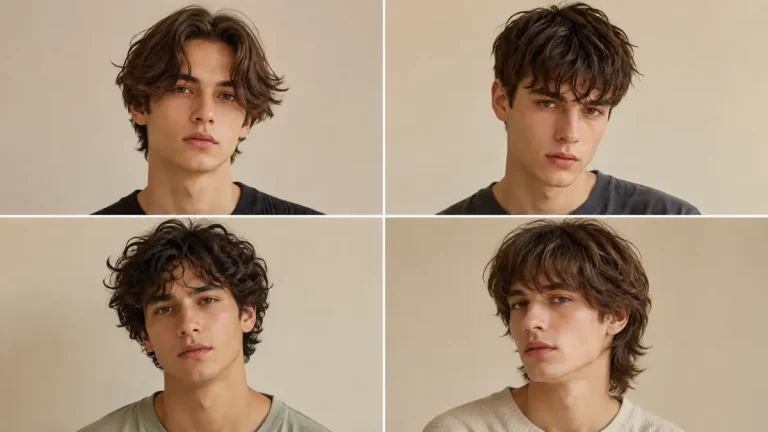
Choose timeless cuts such as a classic side part or a tidy, textured crop. For more options, see our guide to old money hairstyles for men. These styles stay looking sharp with regular trims and little daily effort. Once you have chosen a cut, our guide to hair styling techniques covers product types and daily routines.

Keep a simple, consistent routine — cleanse, moisturize, and use sunscreen. Well-cared-for skin supports a polished appearance more than any single product does.
Pick woody or amber scents, which feel warm and understated. Discreet, refined houses such as Acqua di Parma or Tom Ford Oud Wood fit the mood better than very recognizable status fragrances.
Old money style fits naturally with sustainable habits, because both value pieces that last for years rather than seasons.
Attributed to designer Vivienne Westwood: “Buy less, choose well, make it last.”
Good care is what turns quality clothing into a lifelong wardrobe, and it is central to the old money mindset.
Old money style extends beyond clothes into a calm, refined way of living. It reflects taste and composure, not just a wardrobe.
For visual reference, look to men known for understated, logo-free elegance.
Study how these looks are put together, then adapt the ideas to your own life rather than copying them piece for piece.

Match brands to your budget while keeping the same standards for fit and fabric.
| Tier | Brands | Notes |
|---|---|---|
| High-end | Brunello Cucinelli, Kiton, Loro Piana | Known for craftsmanship and premium natural fibers |
| Mid to upper-mid | Ralph Lauren Purple Label, Drake’s | Strong style and quality; Drake’s is a British brand and sits at the higher end of this range |
| Value | Ralph Lauren, Brooks Brothers | Reliable classics at more accessible prices |
| Vintage / pre-owned | Vestiaire Collective | A source for pre-owned Rolex watches or Brooks Brothers blazers; check an item’s age and condition, as some heritage brands have changed ownership |
The palette is built from muted, earthy neutrals: navy, cream, beige, camel, forest green, and charcoal. These tones pair easily, which is why the wardrobe stays flexible.

Reliable combinations include navy with cream, charcoal with camel, and forest green with beige. Keeping most of an outfit within this range makes mixing and matching almost foolproof.
| Do | Don’t |
|---|---|
| Invest in timeless fabrics like wool, cashmere, and linen | Wear visible logos or loud branding |
| Tailor everything for a perfect fit | Buy disposable fast fashion |
| Stick to neutral colors | Mix loud, busy patterns |
| Mix high and low pieces | Neglect shoe care |
| Add subtle details like mother-of-pearl buttons | Over-accessorize |
| Adapt fabrics to your climate | Flaunt wealth |
The clearest way to understand old money style is to compare it with new money style.
| Feature | Old Money | New Money |
|---|---|---|
| Branding | Logo-free | Visible logos |
| Colors | Muted neutrals | Bold, bright tones |
| Focus | Quality and fit | Trends and status |
| Overall mood | Understated | Attention-seeking |

Choose well-fitted, neutral pieces in quality fabrics like cashmere and wool, and put fit and craftsmanship ahead of logos. Staples include button-down shirts, tailored chinos, blazers, and a trench coat.
It overlaps with “quiet luxury” and “stealth wealth,” but the terms differ slightly. Old money emphasizes heritage, quiet luxury is the broader aesthetic, and stealth wealth describes logo-free dressing on purpose.
Yes. Pair tailored chinos with a cashmere sweater and suede loafers for a relaxed but refined look.
Check for neat stitching, straight logos, and quality materials with no plastic parts or strong glue smell. Buy from authorized retailers or certified resellers, and verify serial numbers where they exist.
Old money style is subtle, classic, and quality-focused, while new money style is trend-driven and logo-heavy.
Buy thrifted wool blazers and crisp button-downs, invest in classic loafers, tailor what you own, and avoid fast fashion.
Reliable choices include Ralph Lauren, Brooks Brothers, Barbour, and Loro Piana, along with pre-owned Hermès for accessories.
For daily men’s old money style inspiration, follow @mensminimal90 on Instagram, @MensMinimal on YouTube, and @mensminimal on Pinterest.