Physical Address
Islamabad, PK
Physical Address
Islamabad, PK


Dark academia is a style that looks like an old library feels: warm, quiet, and a little serious. It is built on dark colours, heavy fabrics, and classic pieces. And it is easy to wear badly. One wrong piece and you look like you are in a costume, not dressed for the day.
This guide fixes that. You get 13 complete outfits, piece by piece. Each one is wearable on a normal day. No brands, no prices, no shopping list. Just the clothes, the colours, and how to put them together.
A dark academia outfit is a full look in the dark academia style. It is not one item. It is the whole combination: the colours, the fabrics, and the pieces working together.

The colours are dark and muted. Think dark brown, charcoal grey, black, deep green, and burgundy. Cream and off-white are the light notes in the look. Nothing bright, nothing neon. If a colour would stand out in a dim library, it does not fit here.
The fabrics are heavy and textured. Tweed, wool, corduroy, knit, and leather are the core of the look. These fabrics give the outfits their weight and warmth. A smooth, shiny fabric looks wrong next to tweed and wool, so keep fabrics rough and matte.
The fit is classic and relaxed, not tight. Clothes sit on the body with room to move, and layers do the work. The mood is old-university: books, autumn, muted light, quiet rooms. The goal is to look smart and calm, not flashy.
“I have always imagined that Paradise will be a kind of library.”
Jorge Luis Borges, “Poema de los Dones” (1960)
If you want the wider picture of the style, how it fits among other men’s aesthetics, the site’s 8 Men’s Fashion Aesthetics: Old Money, Dark Academia & More gives the overview. And if you want to know whether the look is still in style, the Dark Academia Fashion Men Style Guide 2026: 15 Essential Pieces (Still In Style?) answers that question. This guide stays on outfits only.
For a broader background on dark academia, see the Wikipedia article on dark academia.
You do not need a full new wardrobe. A small set of pieces builds all 13 outfits below. Get these first, then add the rest over time. Choose pieces you will wear often, in colours that match each other, rather than many pieces that only work in one outfit. A blazer that goes with three bottoms is worth more than three blazers that each go with one.

With these pieces, you can build every outfit in this guide. A scarf, a leather satchel, and good boots complete the picture.
Each outfit below lists its pieces, then one short note on how it works. Mix and match pieces between outfits once you know the pattern. The pieces are made to combine.
A brown tweed blazer, a black turtleneck, tan chinos, and dark brown leather boots. The tan chinos are the light note that keeps the dark top half from looking too heavy. This is the easiest outfit in the guide and a good first try. It works for a day out, a casual office, or an evening with friends.

A white oxford shirt, a charcoal sweater vest, pleated grey trousers, and black oxford shoes. The vest adds the layer that makes a plain shirt feel styled. Keep the shirt collar neat and the vest fitted, not baggy. This is the classic student look, and it reads smart without a jacket.
A dark brown corduroy blazer, a white oxford shirt, dark straight jeans, and leather boots. Corduroy gives the outfit texture, and the jeans keep it relaxed. This is the outfit for days when a full suit would be too much but a plain jumper would be too little.
A charcoal long wool overcoat, a black turtleneck, dark trousers, a dark scarf, and black leather boots. The coat does most of the work here. It sets the whole look. Keep the scarf simple: one dark colour, no loud pattern. This is the cold-weather outfit, and it looks best when the coat is long and the lines are clean.
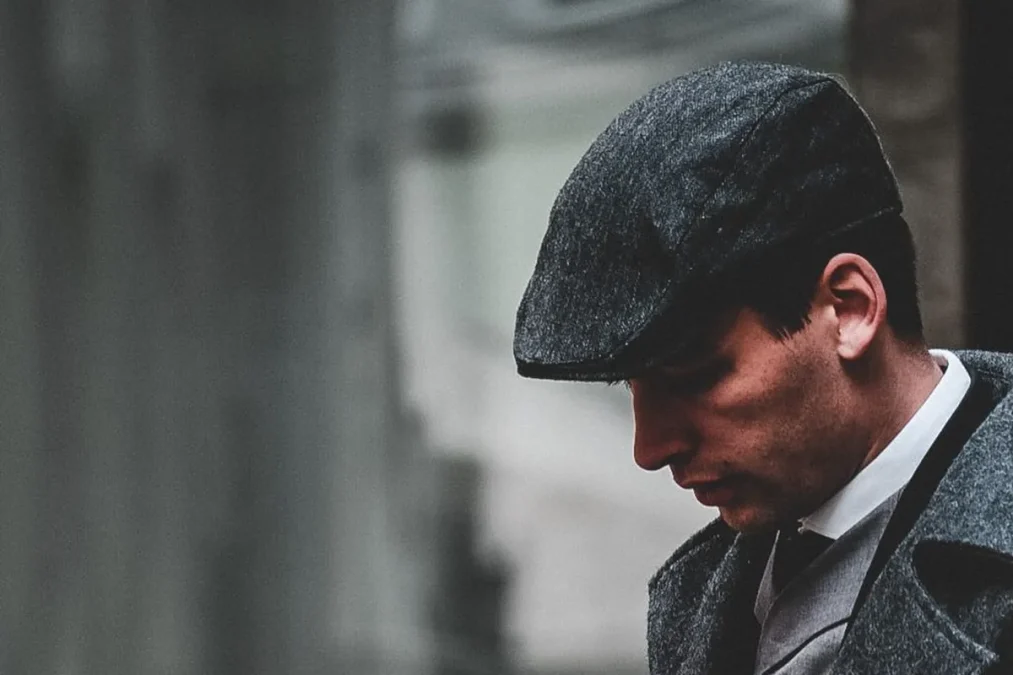
A brown knit cardigan, a cream collared shirt, brown corduroy trousers, and loafers. The cardigan is the softest piece in the look. Wear it open over the shirt, with the shirt collar showing. This outfit is warm, quiet, and comfortable, good for reading, working, or a slow weekend day.
A brown tweed three-piece suit: jacket, waistcoat, and trousers, with a white shirt and dark brown oxford shoes. This is the most formal outfit in the guide. The waistcoat is what makes it dark academia rather than just a suit. It adds the old, layered feel. If you want suits in more depth, the site’s Dark Academia Suits for Men: A Practical Style Guide covers them fully; this guide uses the suit as one outfit only.
A dark trench coat, a charcoal knit jumper, tailored grey trousers, and leather boots. The trench coat adds a sharp, long line over the soft knit. This is the rainy-day outfit. It looks good wet, and the coat keeps the knit dry. Tie the belt loosely or leave it undone for a relaxed line.
A brown checked blazer, a black turtleneck, dark charcoal trousers, and dark leather boots. The check is the only pattern in the outfit, so keep everything else plain. This is the outfit that most people picture when they hear “dark academia”. It works because the check does the talking and the rest stays quiet.
A cream cable-knit sweater, tan chinos, and dark brown leather boots. The cable knit gives texture, and the light colours make this the softest outfit in the guide. It works best in autumn light. Skip the jacket here. The sweater is the top layer, and a coat over it would hide the knit.
A charcoal blazer, a white oxford shirt, a dark burgundy or brown tie, grey pleated trousers, and black oxford shoes. This is the most academic outfit in the guide. The tie should be plain or lightly patterned, in a dark colour. Keep the knot small and neat. Wear it when you want to look your smartest.

A black turtleneck, black straight trousers, a long black wool coat, and black leather boots. One colour, head to toe. It works because the fabrics differ. Knit, wool, and leather each catch the light in their own way. This is the boldest outfit in the guide. It needs clean, well-fitting pieces, because with no colour to hide behind, a bad fit shows.
A brown tweed waistcoat, a white oxford shirt with the sleeves rolled to the forearm, grey trousers, and leather boots. No jacket, no tie. The waistcoat gives the layered look on its own. This is a good warm-weather choice and a good way to wear the style without a full suit.
A dark navy or charcoal pea coat, a black roll-neck sweater, dark straight jeans, and leather boots. The pea coat is shorter and heavier than the wool overcoat, so this outfit feels more casual and more ready for wind and rain. It is the most everyday outfit in the guide, close to normal winter clothes, with the dark academia colours doing the work.
Layer from thin to thick: shirt first, then knit, then jacket, then coat. Each layer should show a little of the one below it: a collar, a cuff, a hem. If a layer is fully hidden, it adds bulk without adding to the look.
Start with dark colours and add one light piece at most. Brown with charcoal works. Black with grey works. Burgundy works with brown and charcoal. Cream works with all of them. If you are unsure, keep it to two or three colours in one outfit.
The fit should be classic: shoulders that sit on your shoulders, trousers that break once at the shoe, a jacket that closes without pulling. Too tight looks wrong in this style, and too loose looks sloppy. Try the outfit on and sit down in it. If it pulls or bunches, the fit is off.
Leather boots are the first choice for most of these outfits. Oxford shoes fit the smarter outfits, and loafers fit the relaxed ones. Dark brown or black leather is best. Trainers clash with the heavy fabrics and muted colours, so save them for other outfits. The site’s 11 Men’s Dress Shoe Styles for Every Event: Ultimate Guide covers dress shoe styles in depth.
A scarf in a dark, plain colour adds warmth and a finished line to a coat outfit. A leather satchel or messenger bag in dark brown fits the look and carries books well. Keep both plain. A loud pattern on either one fights with the rest of the outfit.
“This above all: to thine own self be true.”
William Shakespeare, Hamlet (1603)
You do not need all 13 outfits at once. Start with five or six pieces:
With those six, you can build outfits 1, 2, 3, 8, and 9 right away, and parts of the rest. Wear them for a few weeks and see which outfits you reach for most. Then add a long wool coat, a scarf, and a cardigan, and you can build the cold-weather outfits too. Add pieces only when you know you will wear them. A slow start beats a full wardrobe you never use: each new piece should work with at least two outfits you already wear.
“A fashion is merely a form of ugliness so absolutely unbearable that we have to alter it every six months!”
Oscar Wilde, “The Philosophy of Dress” (1885)
Dark academia outfits are built from a small set of ideas: muted colours, heavy fabrics, classic pieces, and layers in order. The 13 outfits in this guide all use the same core pieces, so you can start with five or six items and build from there. Keep the colours dark, keep the fabrics textured, wear leather shoes, and stop before the look turns into a costume. The style works best when it looks like your clothes, not like a uniform, and not like a performance.
A dark academia outfit is a complete look built from the dark academia style: muted colours like brown, charcoal, black, and deep green; heavy, textured fabrics like tweed, wool, and corduroy; and classic pieces like blazers, turtlenecks, oxford shirts, and leather boots. The feel is old-library and old-university: smart, layered, and calm.
Dark browns, charcoal, black, deep greens, burgundy, cream, and off-white. Keep the colours muted and earthy. One light piece, like a cream shirt or tan chinos, can lift a dark outfit, but bright or neon colours break the look.
A tweed or wool blazer, a black turtleneck, an oxford shirt, a knit sweater or cardigan, a pair of pleated or straight trousers, chinos, a long wool coat, and leather boots. With those pieces you can build most of the 13 outfits in this guide.
Wear one or two dark academia pieces with the rest of your normal clothes, keep the fit modern and clean, and skip anything that looks like a stage outfit: no capes, no full period dress. The look should feel like your clothes, not a uniform.
Leather boots, oxford shoes, and loafers. Dark brown or black leather fits the look best. Trainers and bright shoes clash with the muted colours and heavy fabrics, so save them for other outfits.
Yes, with lighter pieces. A linen or light cotton shirt, a waistcoat instead of a jacket, and chinos keep the colours and the feel without the heavy layers. The heavy wool and tweed outfits are best saved for cool weather.
No. Only one of the 13 outfits in this guide is a full suit. Most dark academia outfits are a blazer or knit with trousers or chinos. No suit needed. If you do want suit guidance, the site’s dark academia suits guide covers suits in depth.
Five or six good pieces are enough: a blazer, a turtleneck, an oxford shirt, trousers, chinos, and boots. Start there, wear the outfits, and add pieces like a coat, a scarf, or a waistcoat only when you know you will use them.