Physical Address
Islamabad, PK
Physical Address
Islamabad, PK

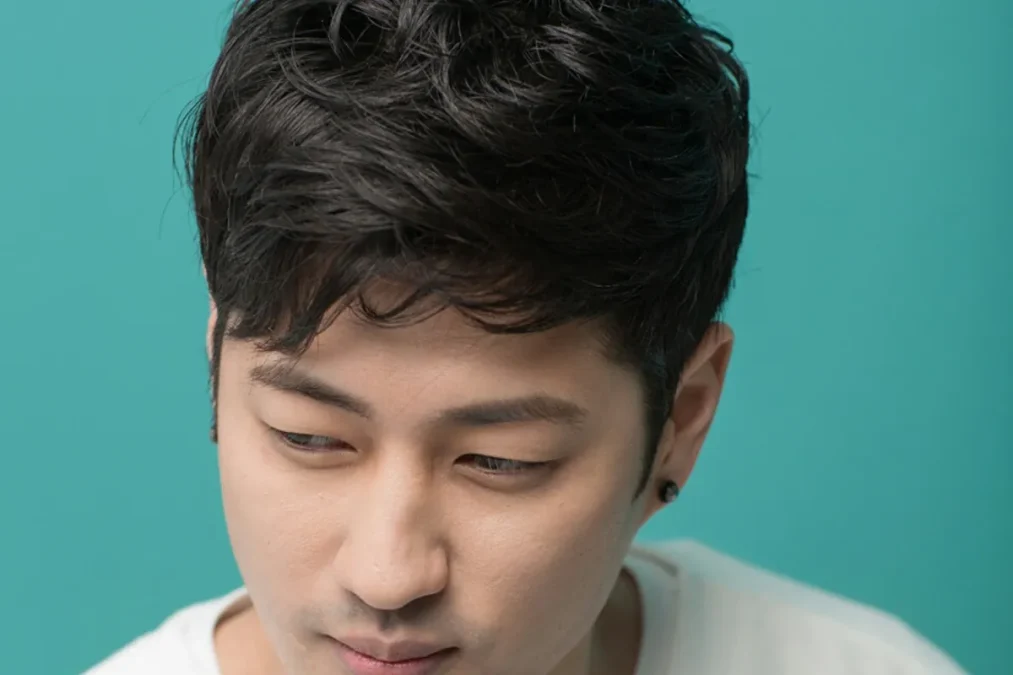
Ulzzang hair looks easy. That is the point — and also the trick. A soft top, tidy sides, and a fringe that frames the face can look clean and sharp, or they can look flat and messy. The difference is not luck. It is a shape: volume on top, a fringe near the brow, sides that stay tidy, and a finish that still moves.
This guide covers hairstyles only. For skincare, makeup, outfits, and photos in the Ulzzang style, see our Ulzzang aesthetic guide. That guide is the parent of this one. Here, we stay on hair: the base cut, the fringe shapes, and 7 complete hairstyles you can ask for and style at home.
Ulzzang is not one fixed cut. It is a shape and a finish — soft, clean, and face-framing — more than a single set of steps. Two men can both wear Ulzzang hair and have quite different cuts, because the shape matters more than any one fringe style.
The four marks of the look are easy to check in a mirror. First, volume on top: the top has lift, not flat hair pressed to the head. Second, a fringe that frames the face: the front hair sits near the brow and softens the outline of the face. Third, tidy sides: the sides and back stay neat, so the longer top stands out cleanly. Fourth, a natural finish: the hair still moves when you move, instead of sitting stiff and shiny.
Most Ulzzang cuts start from one base: the two-block cut. In plain terms, the sides and back are cut shorter, while the top stays clearly longer and falls over them. That contrast is what gives the style its clean shape. The fringe then decides the mood — soft, parted, textured, curved, or long — and that is where the 7 hairstyles below differ.
One line of background, because it helps to know where the word comes from: Ulzzang means “best face” and comes from South Korean internet culture of the late 1990s and early 2000s. The full story lives in the parent guide. Here, we only need the styling idea it grew into.
For background on the term itself, see the Ulzzang entry on Wikipedia.
A good cut starts before the scissors move. The barber needs three things from you, and photos help more than words alone.
Bring reference photos of the exact cut, from the front and the side, not just one angle. One photo can hide how the sides sit or how long the fringe really is. Two or three photos, all of the same cut, give a much clearer picture.
Say your hair type in plain terms: straight, wavy, thick, or fine. The same cut falls differently on different hair, so this one fact changes how the barber layers the top. Also say how long you want the top to stay, and how much time you will spend styling each day. A cut that needs ten minutes of styling every morning is a poor choice if you will only give it two.
Ask for the fringe length in plain terms: where it should sit on the forehead. Near the brow is the usual Ulzzang line. If you want it shorter or longer than that, say so in those words, not in numbers that may mean different things to different people.
Ask for soft layers, not a blunt heavy edge, when the top needs to fall in pieces. Layers remove weight and let the hair fall soft. Without them, thick or straight hair can sit like one flat sheet. Finally, ask how the sides will be kept tidy: a soft blend or a clean taper, not a hard line, unless you want the step between top and sides to show clearly.
Each hairstyle below gives its cut, how it sits, how to style it, and when it needs a trim. Pick by the fringe you like and the time you will spend on it, not by a photo alone.
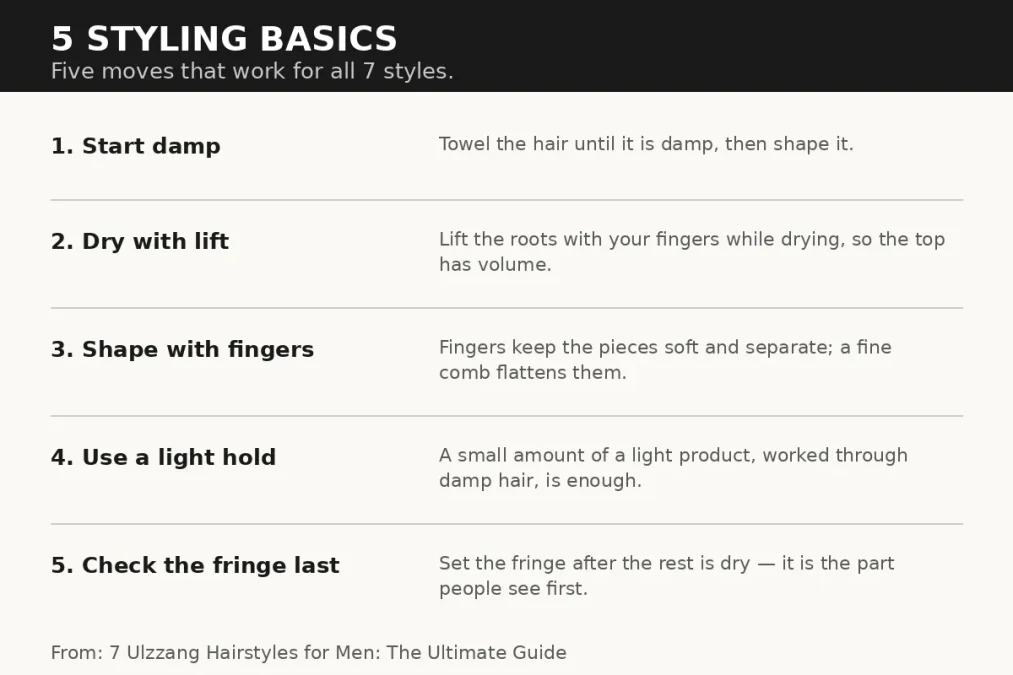
The cut: shorter sides and back, a longer layered top, and a soft fringe that falls just over the forehead. This is the base Ulzzang cut, and the one to start with if you have never tried the style.
How it sits: the top has clear volume, the fringe frames the face, and the sides stay tidy underneath. Nothing about it is extreme. The top is the focus, and the sides quietly support it.
Styling: dry the hair with lift at the roots, then push the fringe forward with your fingers. Keep the finish light, so the fringe still moves. If the fringe starts to look stiff, you have used too much hold, or you have combed it flat.
Upkeep: trim when the sides lose their clean shape, or when the fringe starts to cover your eyes in daily life. The fringe usually shows growth first.
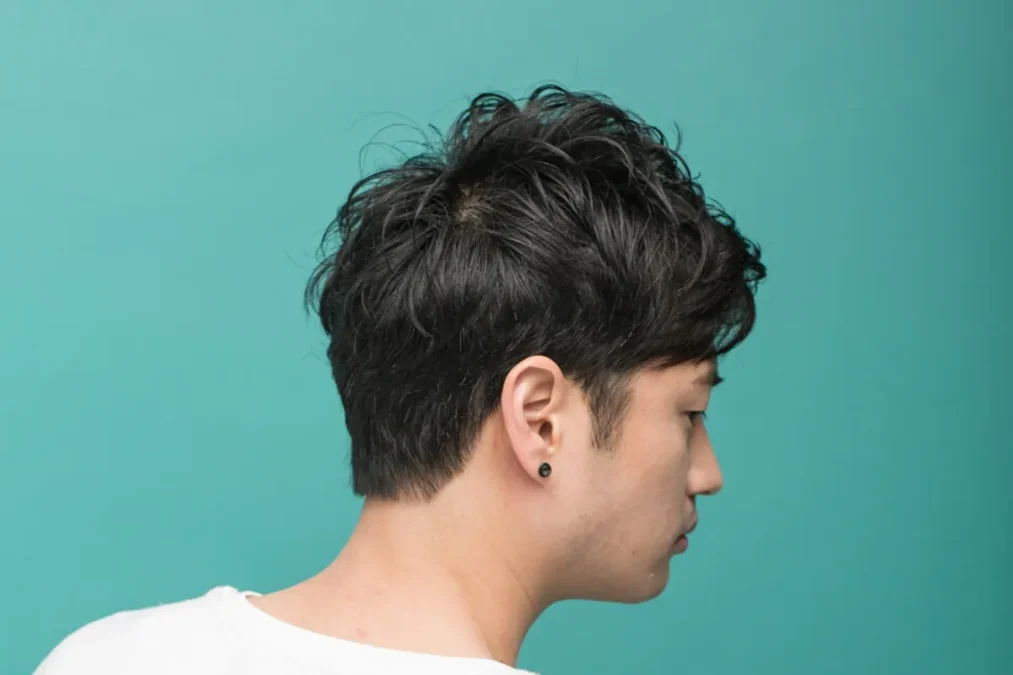
The cut: a longer layered top, parted near the centre, with the front pieces falling to each side of the face. The layers keep the front pieces soft, so they frame the face instead of hanging in one heavy sheet.
How it sits: open and balanced, with soft pieces on both sides of the face. This is a good choice when you want the face to stay open, rather than covered by a full fringe.
Styling: part the hair while it is damp, then dry each side away from the centre. Let the front pieces fall on their own. Do not force them flat, or the curtain shape disappears.
Upkeep: trim when the front pieces lose their shape, or start to fall flat over the eyes. A tidy-up of the front layers brings the curtain back.
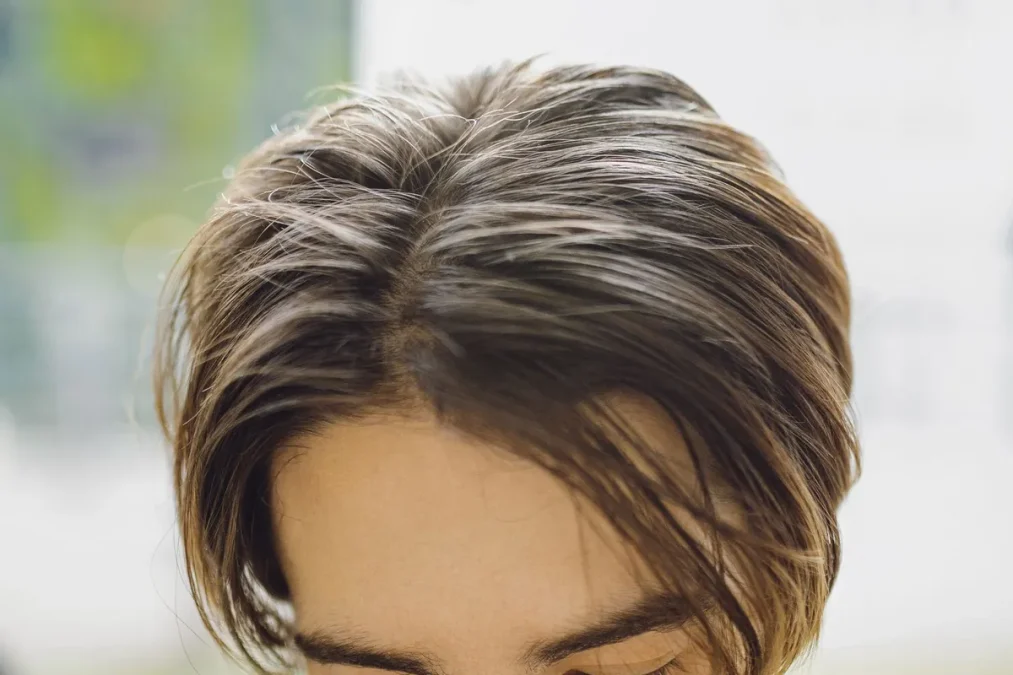
The cut: a layered top with the fringe cut into soft, separate pieces, rather than one solid line across the forehead. The gaps between the pieces are the point of this cut.
How it sits: lighter and more broken up than the classic fringe, with small gaps that keep it from looking heavy. It suits days when a full fringe feels like too much hair on the forehead.
Styling: shape small pieces with your fingers, one at a time, and keep the hold light. Do not comb the fringe into one flat sheet, or you will undo the texture the cut was made for.
Upkeep: trim when the pieces blend back into one heavy edge. At that point the fringe has grown out of its texture, and a fresh cut restores the pieces.
The cut: a layered top with a longer front piece that curves to one side, like the shape of a comma. The rest of the top stays soft, so the curved piece stands out without looking forced.
How it sits: the curve frames one side of the face and gives the fringe a clear direction. This is a good choice when you like a fringe with movement, rather than a fringe that falls straight down.
Styling: dry the front piece in the direction of the curve, then use your fingers to set the bend. Keep the rest of the hair soft, so the curve stays the focus. A stiff finish will make the curve look frozen instead of natural.
Upkeep: trim when the curved piece loses its shape, or grows too long to hold the bend. A short trim of the front piece is often enough to bring the curve back.
The cut: a layered top with a side parting, sides kept tidy, and a top long enough to sweep softly to one side. The parting gives the cut its shape, but the top stays soft.
How it sits: neater than the curtain or messy styles, but still soft. This is not a stiff, flat side part. The top has lift, and the sweep looks natural, not pressed down.
Styling: part the hair while it is damp, dry with lift, and sweep the top to one side with your fingers. Let the sweep fall where it wants to, rather than forcing every strand into place.
Upkeep: trim when the parting line starts to disappear under new growth, or when the top loses its sweep and starts to fall flat. Both signs mean the shape has grown out.
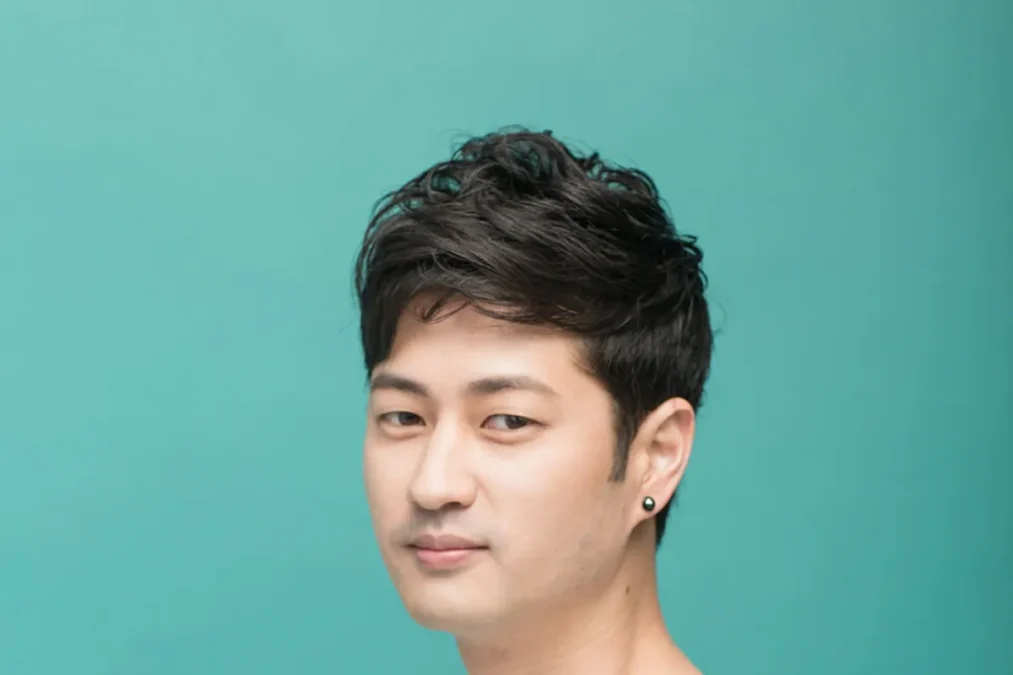
The cut: a shorter layered top with lots of texture, sides kept tidy, and a short fringe broken up into pieces. This is the shortest and most relaxed of the 7 hairstyles.
How it sits: tousled and relaxed, with pieces going in slightly different directions. It looks easy because it is easy — but the texture still comes from the cut, not from leaving the hair alone.
Styling: dry roughly with your fingers, then shape pieces in different directions. Keep the finish light and soft in feel. Too much hold will turn a messy look into a stiff one, which defeats the point.
Upkeep: trim when the texture grows out into one flat shape, or when the fringe starts to sit too long on the forehead. At that point the cut has lost the texture that made it work.
The cut: a top grown longer, with layers that let the fringe fall soft over the forehead and around the sides of the face. This is the softest and fullest of the 7 hairstyles.
How it sits: the fringe is the clear focus of the cut. It frames the face from the front and the sides, and the layers keep it from sitting heavy. This style needs the most patience, because the length takes time to grow.
Styling: dry with lift, so the length does not sit flat on the head. Shape the fringe with your fingers, and let the sides fall soft. If the fringe starts to cover your eyes all day, it has grown past its best length.
Upkeep: trim when the fringe covers your eyes in daily life, or when the layers lose their soft fall and start to hang in one heavy sheet. A trim of the layers restores the soft shape.
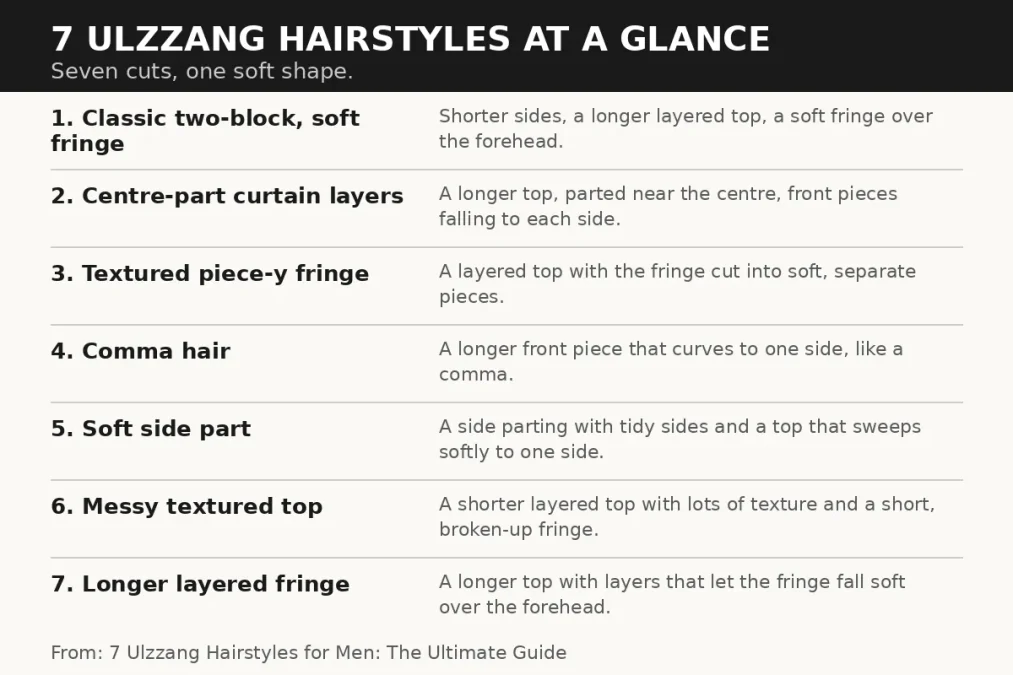
Start damp, not soaking. Towel the hair until it is damp, then shape it. Hair that is still dripping will not hold a shape, and hair that is fully dry is harder to reshape.
Dry with lift. Lift the roots with your fingers while drying, so the top has volume instead of sitting flat. This one step does more for the Ulzzang shape than any other styling move.
Shape with fingers, not a fine comb. Fingers keep the pieces soft and separate. A fine comb tends to pull the fringe into one flat sheet, which removes the texture the cut was made for.
Use a light hold. A small amount of a light styling product, worked through damp hair, is enough. Heavy, shiny finishes fight the soft Ulzzang look, because they stop the hair from moving.
Check the fringe last. The fringe is the part people see first, so set it after the rest of the cut is dry. If you set the fringe first and then dry the rest, the fringe often moves out of place.
Keep it simple on busy days. If a style needs more time than you have, pick a shorter or messier option from the 7. A simple style done well looks better than a complex style rushed.
Straight hair tends to hold a clean shape well. Layers help it fall in pieces instead of one flat sheet, which is why most of the 7 cuts use layers through the top.
Wavy hair tends to add natural texture on its own. A lighter touch with styling keeps the waves soft, rather than forcing them straight. The messy textured top and the textured fringe both work well with natural waves.
Thick hair tends to need layers to remove weight, or the top can sit heavy and flat. If your hair feels heavy after a cut, the layers may need to go a little deeper — that is a point to raise with your barber, not a fault in the style.
Fine hair tends to need texture and lift at the roots, or the fringe can look thin. A shorter or piece-y fringe can help it look fuller, because the pieces add shape where a long, flat fringe would show thinness.
All of these notes are tendencies, not rules. The same cut can look different on two people with the same hair type, because head shape, growth direction, and daily styling all play a part too.
Both styles like soft hair and a gentle finish, so they can look close at first glance. The difference is in the lean. Soft boy leans lighter and sweeter, with a softer, gentler feel overall. Ulzzang leans cleaner and more street-ready, with sharper layers, tidier sides, and a more photo-ready finish. If you like both, keep them as two separate moods rather than mixing them in one cut. Our soft boy hairstyle guide covers that style in full.
A blunt, heavy fringe with no layers, so the front sits like one flat sheet. Layers are what make a fringe fall soft, so a blunt edge works against the whole look.
Sides cut too short or too harsh next to a long top, so the step looks like a hard line instead of a soft shape. The two-block base works best when the sides are tidy but not harsh.
Too much product, or a shiny, stiff finish, so the hair stops moving. The Ulzzang finish is natural, and heavy product removes exactly that quality.
Combing the fringe flat every day, which removes the soft pieces the cut was made for. Fingers keep the pieces; a fine comb removes them.
Copying a photo without saying your hair type, so the same cut falls differently on your hair. The photo shows a result, not the steps that fit your hair.
Waiting too long between trims, so the sides lose shape and the fringe covers your eyes. A soft cut needs its shape kept, not just its length.
The fringe shows growth first. When it covers your eyes in daily life, it is time for a trim, even if the rest of the cut still looks fine. Do not wait for the whole cut to look messy before acting on the fringe.
The sides lose their tidy shape next. When the step between the top and the sides starts to blur, a tidy-up brings the shape back. Often a small trim of the sides and fringe is enough, without changing the top at all.
Growing a style out on purpose needs a plan too. Ask for the sides to be kept tidy while the top grows, so the shape stays clean during the awkward stage. A grown-out top with tidy sides still looks like a style; a grown-out top with messy sides tends to look unfinished.
Between visits, keep the styling light. Heavy product on grown-out hair tends to make it look flat, not tidier. Light hold and finger shaping will carry a growing cut much better.
For skincare, makeup, outfits, and photos in the Ulzzang style, see our Ulzzang aesthetic guide. For the neighbouring softer style, see our soft boy hairstyle guide. For general cut background, see our haircut guide. For the wider picture of men’s fashion styles, see our fashion aesthetics guide.
Ulzzang hairstyles are not about one exact cut. They are about a soft top with volume, tidy sides, a fringe that frames the face, and a finish that still moves. The 7 hairstyles in this guide show those marks in different forms, from the classic two-block fringe to the longer layered fringe. Bring photos, say your hair type, shape the fringe with your fingers, and trim when the fringe or the sides lose their shape. The look will follow the shape, not the other way around.
A hairstyle built the Ulzzang way: soft volume on top, tidy sides, a fringe that frames the face, and a natural finish where the hair still moves. It is a shape and a finish, not one fixed cut.
A base cut where the sides and back are cut shorter while the top stays clearly longer and falls over them. Most of the 7 hairstyles in this guide start from this base, with the fringe shape changing the look.
No. The centre-part curtain is one of the 7 options, but a soft fringe, a textured fringe, comma hair, and a soft side part are all Ulzzang options too. The parting is a choice, not a rule.
Start with damp hair, dry with lift at the roots, shape the fringe with your fingers, and keep the hold light. A fine comb and a heavy, shiny finish tend to make the fringe look stiff and flat.
Bring reference photos from the front and the side, say your hair type, say how long you want the top to stay, and say how much daily styling you will really do. Ask for the fringe length in plain terms — where it should sit on the forehead — and for soft layers when the top needs to fall in pieces.
Yes, with small changes. Wavy hair tends to add natural texture, so a lighter styling touch keeps the waves soft. Fine hair tends to need lift at the roots and texture, and a shorter or piece-y fringe can help it look fuller. These are tendencies, not rules.
When the fringe covers your eyes in daily life, when the sides lose their tidy shape, or when the textured pieces blend back into one heavy edge. The fringe usually shows growth first.
Both like soft hair and a gentle finish, but soft boy leans lighter and sweeter, while Ulzzang leans cleaner and more street-ready, with sharper layers, tidier sides, and a more photo-ready finish. The soft boy hairstyle guide covers that style in full.