Physical Address
Islamabad, PK
Physical Address
Islamabad, PK

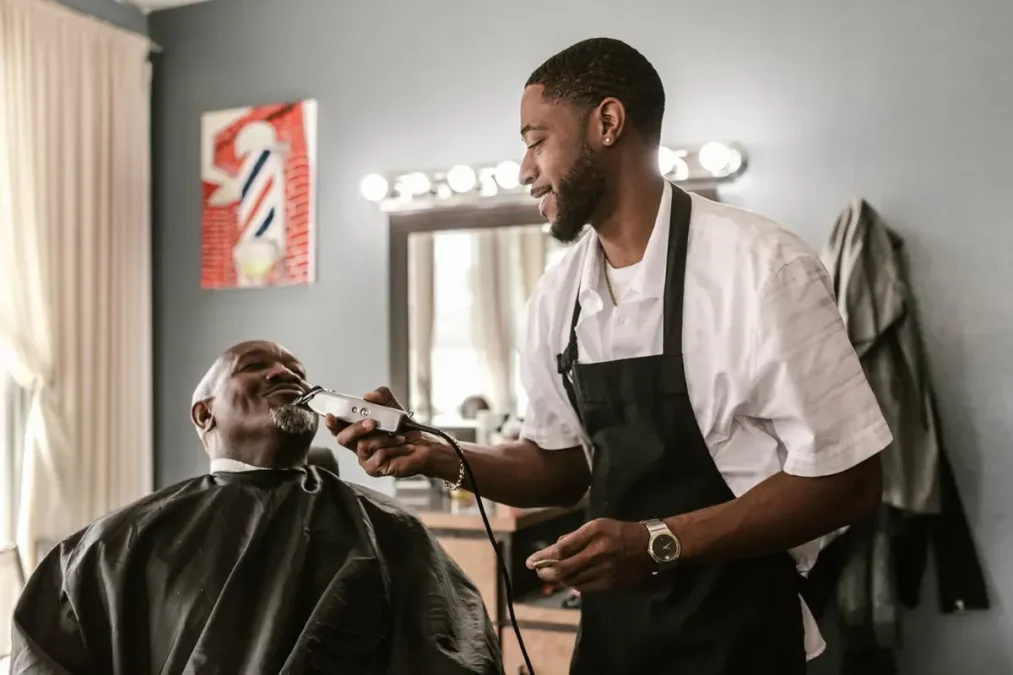
A beard and a clean shave both need a system. Without one, a beard turns scruffy and a shave turns rough. With one, either look can stay tidy with a small daily habit. This guide to beard and shaving basics for men gives that system: seven fundamentals that cover growing a beard, keeping it in shape, shaving the edges clean, and knowing what to say to your barber.
This hub covers fundamentals only. It does not pick beard styles for each face shape — that catalogue is a separate guide, next in the queue, and it is mentioned here only. For the broader picture of haircuts, see our men’s haircuts guide. For general grooming beyond beards, see our grooming essentials guide. What follows is the beard and shaving side only.
Start with time. A beard needs shaping, washing, and trimming on a regular basis. A clean shave needs shaving on a regular basis. Neither is free of effort. The honest question is which effort you will keep doing. A routine you drop after a week helps no one.
Next, think about your work setting. Some jobs expect a clean shave. Some do not mind a tidy beard. A beard that is shaped and clean reads very differently from a beard that is left alone. If you are unsure, a short, even stubble is a middle option: it keeps some beard, it stays neat, and it costs little time each day.
Then think about your skin. Shaving every day can irritate skin that is already dry or sensitive. A beard can spare skin from daily shaving, but the skin under a beard still needs washing and care. Neither choice fixes skin on its own.
Finally, be honest about growth. Some beards grow thick and even. Some grow patchy, with thin spots that stay thin. Patchiness is normal and it is not a flaw in you. A shorter beard often looks tidier on patchy growth than a long beard does, because short length hides uneven spots better. Length is not always the answer.
Read the seven in full below, or use the mistakes section to check what to avoid first.
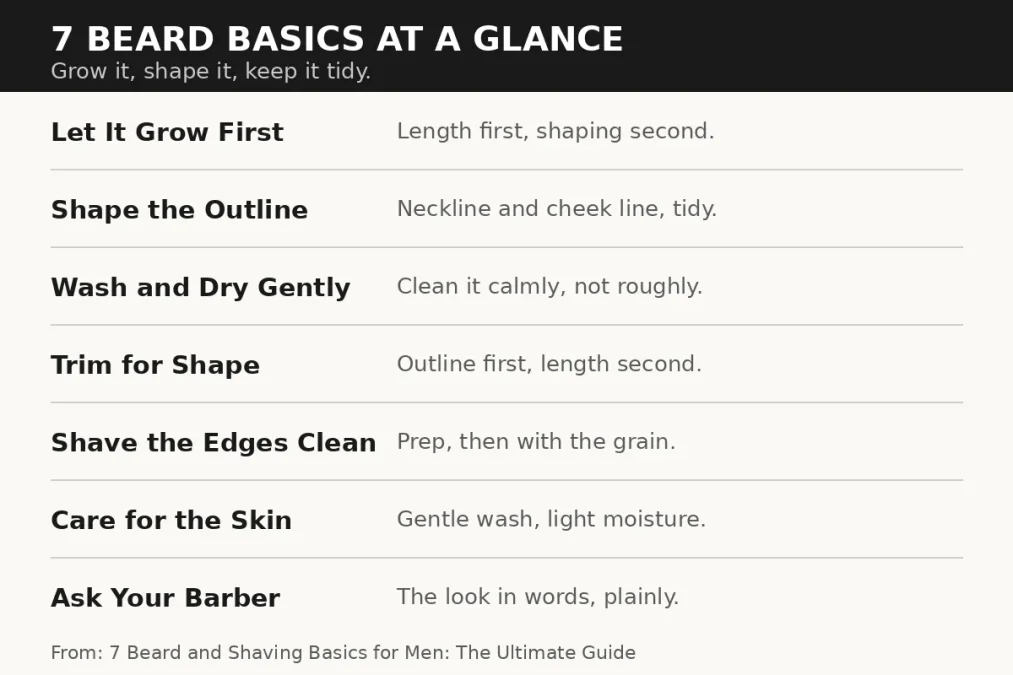
The first mistake most men make is trimming too early. A new beard looks uneven in the first weeks. That is normal. Hairs grow at their own pace, and the shape has not filled in yet. If you trim now, you cut the hairs that would have evened the shape out. You end up chasing a shape that was never there yet.
Let the beard grow first. Give it length to work with. Once there is length, you can see the real shape: where it grows thick, where it stays thin, and where the outline should sit. Shaping is easy with length. Shaping without length is guesswork.
Patience here is not about a fixed number of days. No day count is given in this guide, because none is established here. The sign to start shaping is simple: the beard has enough length that you can see its shape. Until then, leave it alone except for washing.
The outline is what makes a beard look planned. It has two lines: the neckline, where the beard meets the neck, and the cheek line, where the beard meets the cheek. Keep both lines tidy and even. Follow the beard’s own edge. Do not draw a new line far from where the beard naturally grows.
The neckline matters most. A neckline cut too high makes the beard look small and the jaw look bare. A neckline left wild makes the whole beard look untidy. Keep it even from side to side, and keep it where beard meets neck in a clean, natural line. This guide gives no finger rules and no measurements for the line, because no verified rule is cited here. A barber can set the line once, and you can then keep that line at home.
The cheek line is simpler. Tidy the stray hairs above the beard’s own edge, but do not carve the line low. A cheek line carved too low thins the beard and looks forced. The goal is neat, not sharp. For shaping background on tapers and fades, see our guide to taper vs fade.
A beard traps food, dust, and sweat through the day. Washing keeps it clean and keeps it smelling fresh. Wash when the beard needs it, not out of habit. A beard wash category — a wash made for beards — is named here as a category only, with no product name. Plain gentle washing works too. What matters is gentle handling, not a special product.
Dry the beard calmly. Rubbing hard with a towel can rough the hairs up and tangle them. Press the water out gently, or let the beard air-dry. That is common practice, stated in “can” language. A calm dry keeps the beard lying in its shape. A rough dry undoes the shape you just washed it into.
For general hair-care guidance, see the American Academy of Dermatology’s tips for healthy hair.
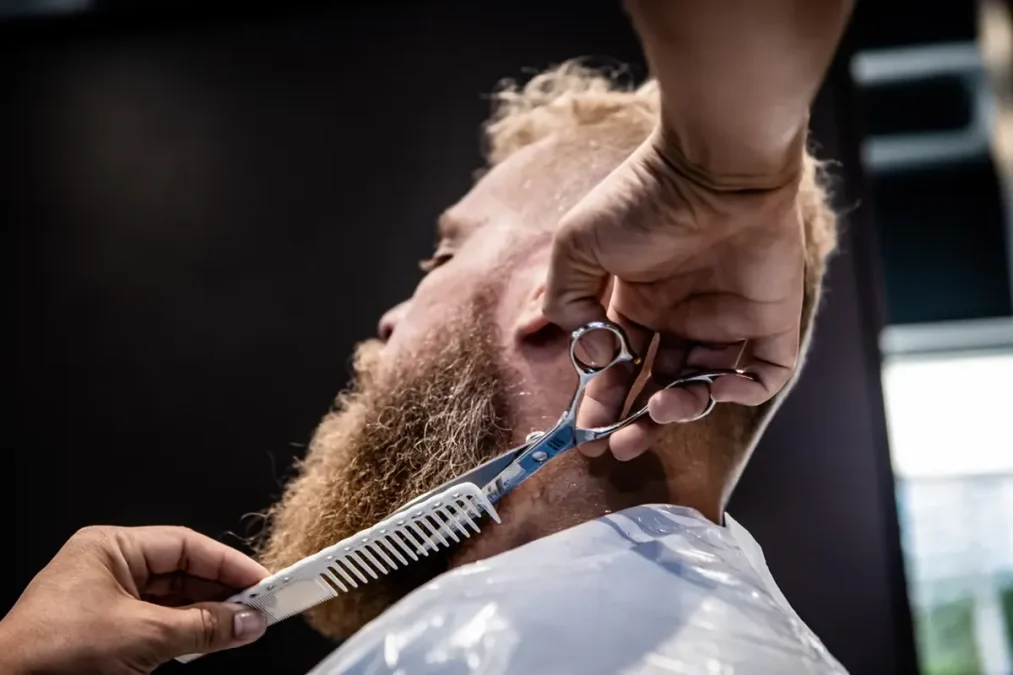
Trim for shape, not for length alone. That is the whole rule. Most men trim by cutting length off everywhere. That shortens the beard but does not fix the shape. Instead, look at the outline first. Find the hairs that stick out past the shape. Trim those. Then check the length. Cut a little at a time. Small trims beat big corrections, because a big cut cannot be undone.
Check your work in a mirror from the front and from each side. A beard that looks even from the front can look uneven from the side. Step back and look at the whole outline, not at single hairs. If you are unsure, stop. You can always trim more tomorrow. You cannot add back what you cut today.
For guard detail — which guard length does what — this hub does not repeat the chart. See our guide to hair clipper guard sizes for that detail.
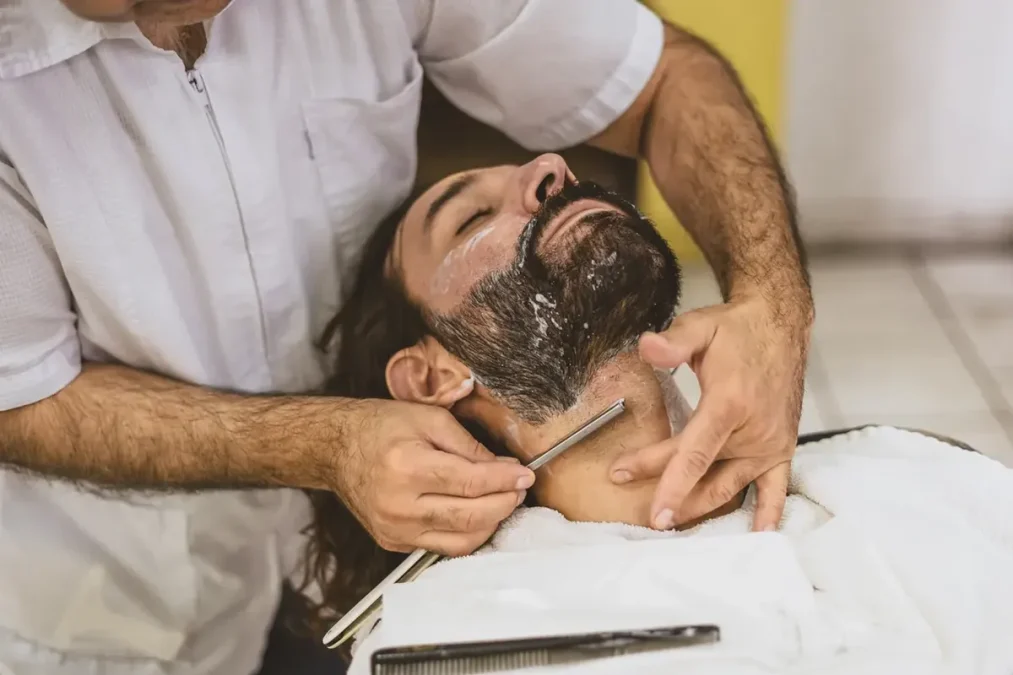
Some parts of the beard look best shaved clean: the neck below the neckline, the cheeks above the cheek line, and the edges around the shape. A clean edge makes the beard read as planned. A fuzzy edge makes it read as forgotten.
Prep first, in general terms. Warm water softens the hairs. A lubricant layer — a shave cream or gel category, named as a category only — lets the blade glide instead of drag. Then shave with the grain first. The grain is the direction the hairs grow in. Shaving with it is gentler than going against it at once. Use short, light strokes. Do not press hard. Rinse the blade often. If an area still needs a closer shave, you can go over it again gently — but one harsh pass costs more than two gentle ones.
A full clean shave follows the same idea over the whole face: prep, with the grain first, light strokes, rinse often. If you choose a full clean shave instead of a beard, the choosing section at the start of this guide is the place to weigh that choice.
The skin under a beard is easy to forget, because you cannot see it. But it still needs care. It can get dry. It can itch, most often when a beard is new or when washing is skipped. Gentle washing helps. A light moisturising category — an oil or balm category, named as a category only, with no product name — can help if the beard and skin feel dry. Use a small amount. A heavy layer does not help more; it just sits on the beard.
Watch for problems that do not clear up. Soreness that stays, a rash, or flaking that keeps coming back are reasons to ask a doctor. This guide gives no diagnosis and no treatment for skin problems. It only says: general care covers normal dryness and itch, and lasting problems belong to a doctor, not to a grooming guide.
A good beard starts with good words. The script below is written to be spoken, not memorised: use the parts that fit your beard, and leave the rest.
Start with the look in words — “a short, tidy beard,” “a medium beard with a clean outline” — then describe the outline: “keep the length, tidy the neckline, even the cheek line.” Length in words beats numbers for most men, because a number means different things on different faces and in different barbers’ hands.
The exclusions matter as much as the request, because they prevent the commonest beard failures. Say them plainly: “do not take the neckline too high, do not thin the cheek line low, do not take length off everywhere.” A barber who hears the exclusion will not add the detail to be helpful, and you will not discover it in the mirror at home.
Ask the question plainly: “How do I keep this outline at home between visits?” A good barber will show you the line and tell you which tool category to use for it. That answer is worth more than the cut itself, because the cut lasts a day and the upkeep lasts until the next visit.
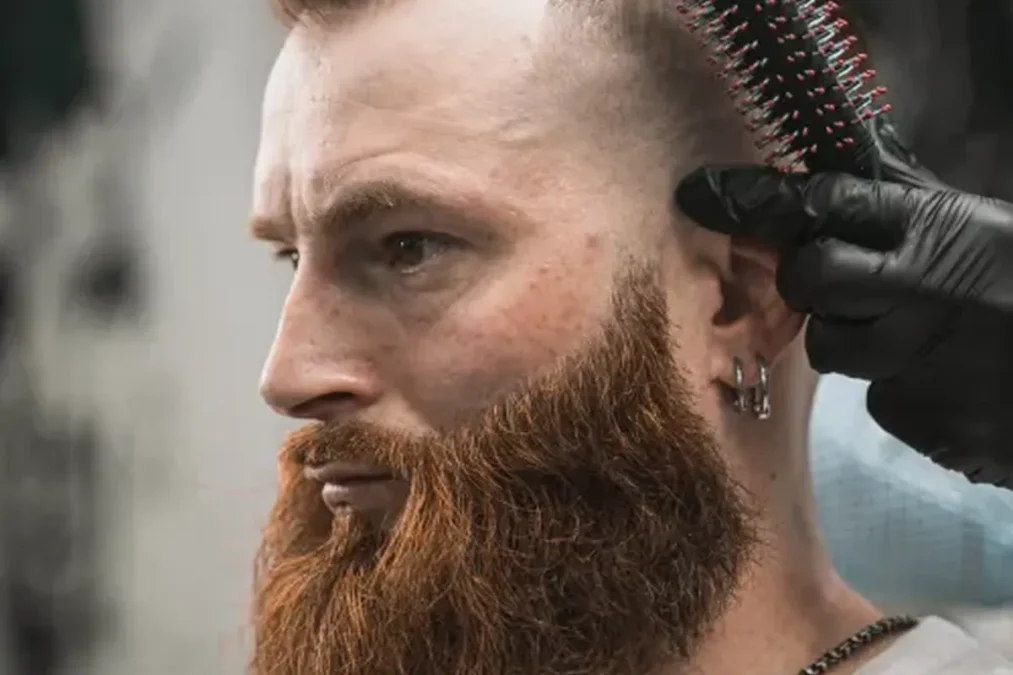
Most beards need a few tools, not a shelf of them. The categories below cover almost everything in this guide. No product name is given, no price is given, and no pick is made, because this guide is informational only.
That is the whole shelf. A tool you do not use is not a need; it is clutter. For guard detail, see our guide to hair clipper guard sizes.
Face shape guidance is tendencies, not rules. A tendency says a beard can balance a face shape; it does not promise it will. Length can balance a rounder look, because it adds a vertical line. Width at the sides can balance a longer look, because it adds breadth. In both cases, “can” is doing real work: these are starting tendencies, and a barber who can see your face will beat a paragraph that cannot.
This hub does NOT match beard styles to face shapes. That catalogue — which beard for a round face, a square face, an oval face, and the rest — belongs to a companion guide on beard styles by face shape. That guide is next in the queue and is mentioned here only; no detail from it is quoted, because it is not written yet. For face-shape guidance on haircuts (a sibling topic), see our guide to haircuts by face shape.
Ignore the tendency whenever it conflicts with something you know about your own beard or your own taste. Patchy growth can matter more than face shape. Skin comfort can matter more than face shape. And preference matters outright: a beard you like and will keep is better than a beard a chart prefers and you will shave off in frustration.
Five mistakes cause most beard disappointments, and all five are avoidable before the trimmer starts.
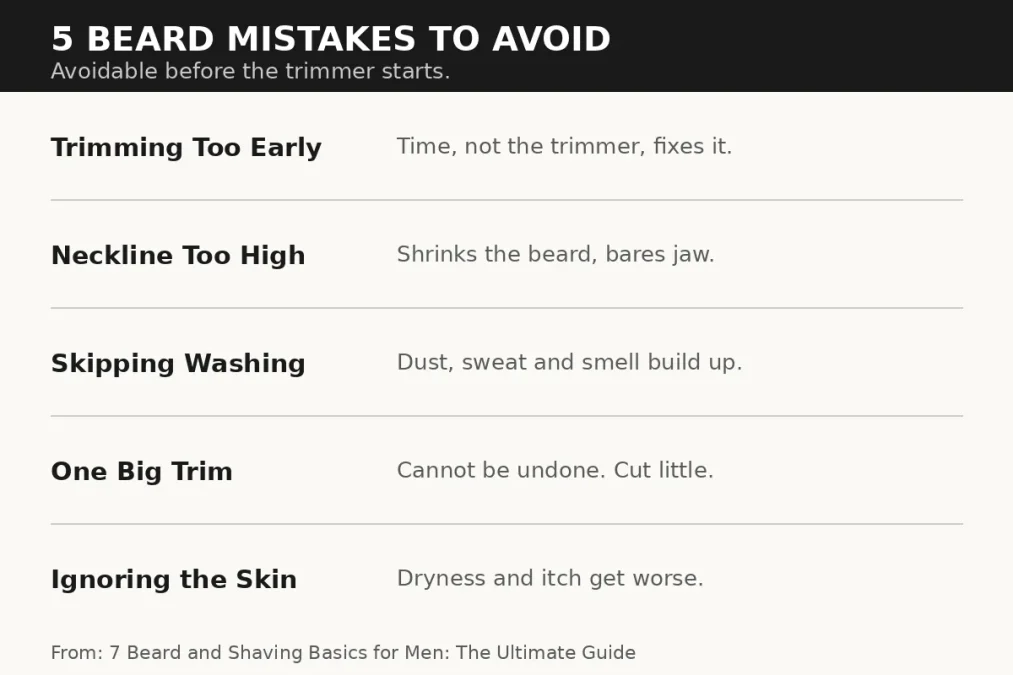
A new beard looks uneven, and the fix is not the trimmer — it is time. Trimming before the beard has length cuts the hairs that would have evened the shape out. Let it grow first, then shape it.
A neckline cut too high shrinks the beard and bares the jaw. An uneven neckline breaks the outline from the side. Keep the line even, natural, and where beard meets neck. A barber can set it once if you are unsure.
A beard that is never washed holds dust, sweat, and food through the day. It smells worse, itches more, and looks duller. Wash when it needs it, gently, and dry it calmly.
One big trim cannot be undone. Cut a little at a time, check the outline from the front and both sides, and stop when you are unsure. You can always trim more tomorrow.
Dryness and itch under a beard are often skipped until they get worse. Gentle washing and light moisture cover normal cases. Lasting soreness, rash, or flaking belong to a doctor, not to a grooming guide.
A beard is only a good beard if it stays that way between visits. This section is about what happens after the barber, in general terms: no fixed schedule is given, because exact trim intervals are not established here, and the schedule system itself belongs to a separate guide.
The rule is plain: trim when the shape grows out of shape, not on a date someone else chose. The signs are plain too: the outline loses its planned line, the length grows uneven, the neckline blurs, or the cheek line turns fuzzy. Short beards show this sooner than long ones, because a little growth changes a short shape more than it changes a long one. For the schedule system itself, see our guide to haircut maintenance schedules. For the broader grooming picture, see our grooming essentials guide.
The point of a beard, in one line: the best one is the one you will keep — grown with patience, shaped on an even outline, washed gently, and trimmed for shape.
For the broader picture of cuts, see our men’s haircuts guide. For general grooming beyond beards, see our grooming essentials guide. For keeping the shape on schedule, see our haircut maintenance schedules guide. For guard detail, see our hair clipper guard sizes guide. A companion guide on beard styles by face shape is next in the queue and is mentioned here only; no detail from it is quoted, because it is not written yet.
A beard is not a look you put on once. It is a routine you keep: let it grow, shape an even outline, wash it gently, trim for shape, shave the edges clean, care for the skin underneath, and tell your barber what you want in plain words. Do not pick by the loudest photo. Pick the routine you will keep, let the outline do the work, and judge the result in the mirror from every side before you leave the chair.
It is an upkeep choice, not a character test. A beard needs regular shaping, washing, and trimming; a clean shave needs regular shaving. Pick the routine you will actually keep. Short, even stubble is a middle option. The choosing section covers time, work setting, skin comfort, and growth pattern in general terms.
Let it grow first before shaping it. Early growth often looks uneven, and that is normal. Once there is length to work with, shape the outline — neckline and cheek line, tidy and even — and then trim for shape. Trimming too early is the commonest first mistake.
Keep both lines tidy, even, and following the beard’s own edge. This hub gives no finger rules and no measurements, because no verified rule is cited here. A barber can set the outline once, and you can then keep that outline at home.
In general terms only: trim when the shape grows out of shape, not on a fixed date. Short outlines show growth sooner than long ones. No fixed interval in days or weeks is stated here, because none is established in this guide. For the schedule system itself, see the haircut maintenance schedules guide.
Prep in general terms: warm water and a lubricant layer, then shave with the grain first, using short, light strokes and rinsing the blade. Going against the grain at once is harsher. If soreness, rash, or flaking persists, ask a doctor — this guide gives no diagnosis and no treatment.
Few, in categories only: a trimmer category for shaping, a comb or brush for tidiness, a wash category for cleaning, and a light oil or balm category if the beard feels dry. Razor categories (safety-style, cartridge-style, electric-style) cover the clean-shaven edges. No product name is given and no price is given, because this guide is informational only.
Say the look in words, then the outline, then what not to cut: for example, keep the length, tidy the outline, and do not take the neckline too high. Ask how to keep that outline at home between visits. The barber script section gives the full wording.
In general terms only: length can balance a rounder look and width can balance a longer look, but these are tendencies, not rules. This hub does not match styles to face shapes. A companion guide on beard styles by face shape is next in the queue and will cover that catalogue.