Physical Address
Islamabad, PK
Physical Address
Islamabad, PK

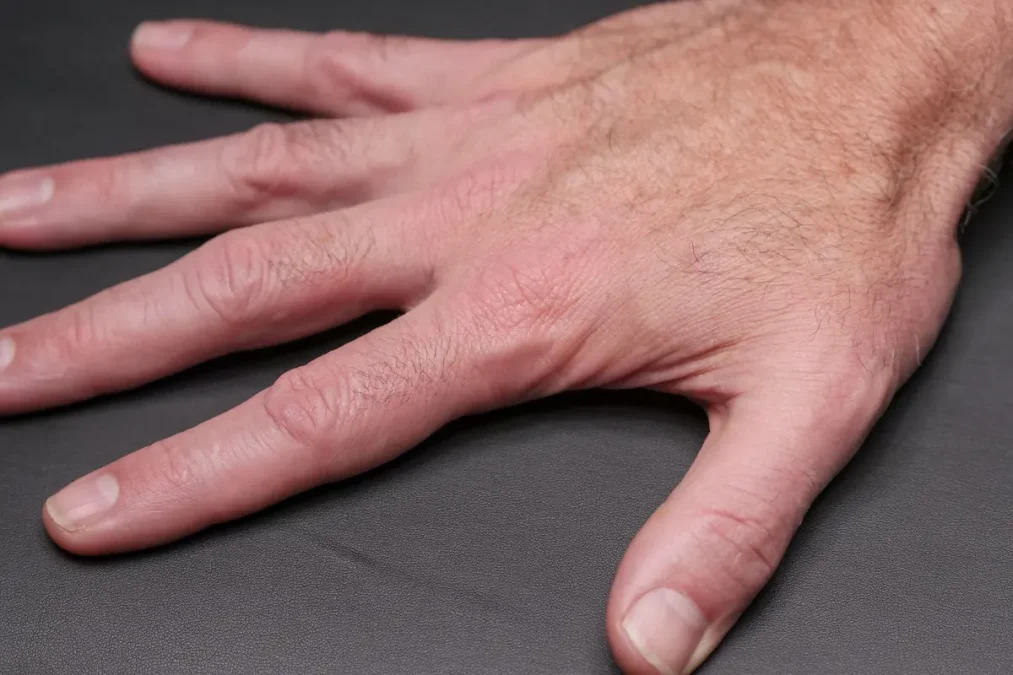
Your hands are on show all day. At work, when you shake hands, when you eat, when you talk, people see your hands. Neat nails are part of looking clean and tidy. They are not vanity. They are basic care, like clean clothes and a clean shave.
This guide gives you 13 practical basics for fingernails and toenails: how to trim, file, and clean them, what to avoid, and when to see a doctor. It also gives you a simple weekly routine that takes about five minutes. No brands, no prices, no shopping list. Just plain advice that works.
Most men think about hair, skin, and clothes. Nails get forgotten until they look rough. But nails are one of the first things people see when you hold out your hand. A little care goes a long way.
Think about how often your hands are in view. You shake hands at work. You hold a cup. You type, you point, you eat. Your hands are part of how people see you, every single day. Nails that are long, dirty, or bitten stand out, and not in a good way. Nails that are short and clean do not draw attention at all. That is the point. Good nail care is invisible. It just makes you look tidy.
Some men think nail care is vain. It is not. It is the same as washing your face or brushing your teeth. Clean nails mean clean hands. Short nails mean less dirt under them. A man with neat nails looks like a man who looks after himself. That is all it is: basic care, not fuss.
Nail care takes a few minutes once a week. That is it. Trim, file, clean, moisturize. Done in about five minutes. The payoff is every day: hands that look clean in every meeting, every handshake, every meal. Small, steady care beats a big fix now and then. The 13 basics below are the whole routine. None of them is hard. Together, they keep your hands and feet in good shape all year.
The hand is the visible part of the brain.
Immanuel Kant
Fingernails and toenails look alike, but they need different care. The cut is different. The risks are different. Know which nail you are working on.
Fingernails are seen, used, and worn down by daily work. You use them to pick things up, open things, and type. They catch on things, so they chip and break more easily. They also grow in the open air, so they dry out. Fingernails need a trim often, and the edges need to be filed smooth so they do not catch. A short, neat fingernail is the goal: long enough to protect the fingertip, short enough to stay clean.
Toenails are hidden in shoes most of the day. They grow in the dark and the damp, and they take more pressure from shoes. That is why the cut matters so much. A toenail cut curved, with the corners rounded down, can grow into the skin at the corner. That is called an ingrown toenail, and it hurts. Cut toenails straight across instead, and leave the corners where they are. File the edge smooth so it does not catch on socks.
The tools are the same: a clipper, a file, soap, water, and a little moisturizer. The steps are the same too: trim, file, clean, moisturize. But the cut is different, and the care is different. Fingernails need more frequent trims. Toenails need a straight cut and dry feet. Keep the two jobs separate in your head, and both sets of nails stay in good shape.
Each basic below is one real step. Together they cover trimming, filing, cleaning, cuticles, moisturizing, habits, feet, shoes, tools, and checks. Start with the ones that fit you now, and add the rest over time.
Trim about once a week. Fingernails need it when you can see white past the fingertip. Toenails need it when they reach the end of the toe. Trim after a shower, when the nails are soft and easy to cut. Cut a little at a time. You can
always take more off, but you cannot put it back. If you work with your hands a lot, you may need to trim more often. A weekly check keeps it simple.
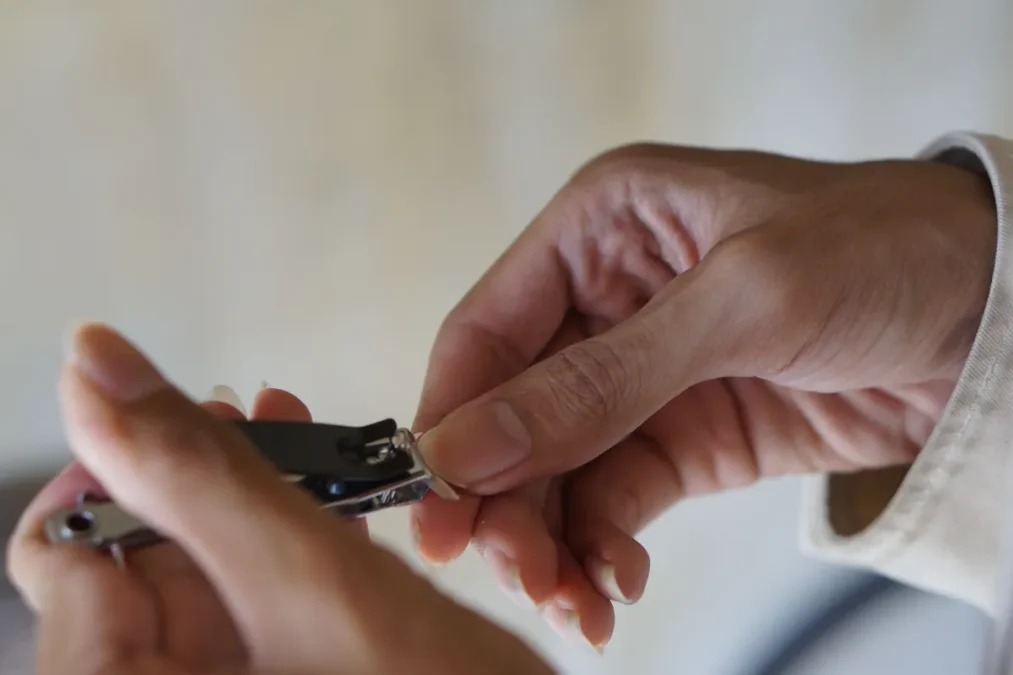
This is the most important basic for your feet. Cut toenails straight across, and leave the corners where they are. Do not round the corners down into the skin. A curved cut can let the nail grow into the skin at the corner, and that hurts. After cutting, file the edge smooth so it does not catch on socks. If a toenail is already sore or swollen, do not try to cut it out yourself. See the when-to-see-a-doctor section below.
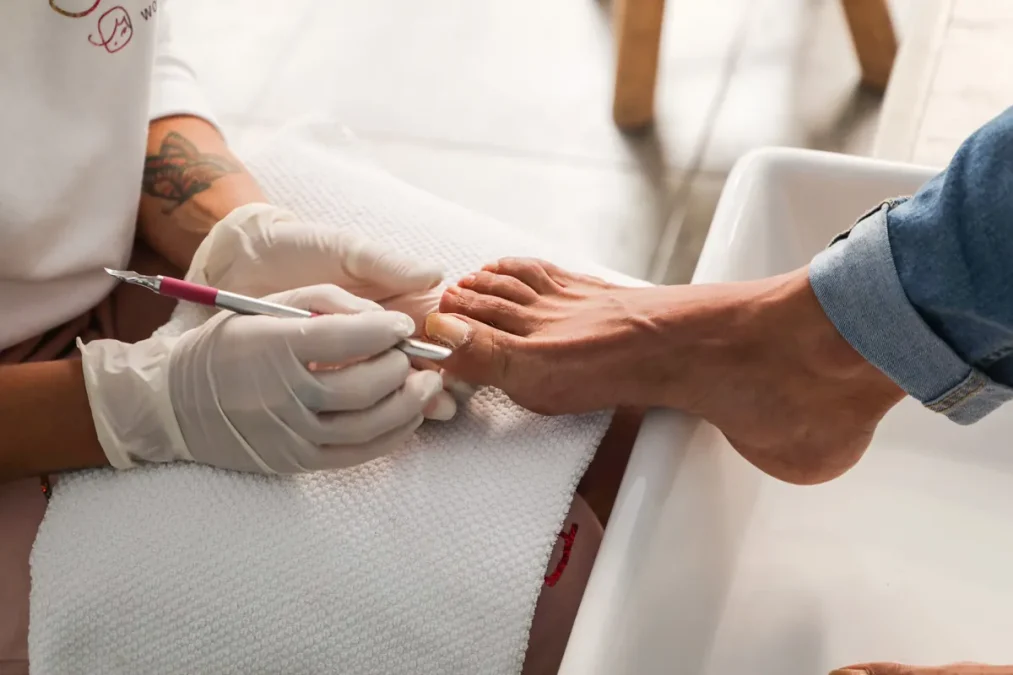
A clipper leaves a rough edge. That edge catches on clothes, socks, and skin, and it can tear. File it smooth after every trim. Use a nail file, and file in one direction, from the side toward the centre, not back and forth. A few strokes are enough. Smooth edges also look neater, and they are less likely to break. Keep a file with your clippers so it is always there when you trim.

Dirt gathers under nails, and it shows. Clean under your nails every day, when you wash your hands. Use soap and water, and a soft nail brush if you have one. A brush gets the dirt out without hurting the skin. Do not dig under the nail with a sharp tool. That can hurt the skin and let in dirt and germs. Soap, water, and a brush are all you need.
The cuticle is the thin skin at the base of the nail. It guards the nail as it grows. Do not cut it. Cutting it can let in dirt and germs, and it can hurt. Push it back gently instead. After a shower, when the skin is soft, use a clean towel or your thumb to push it back a little. That is all it needs. If the cuticle is dry, a little moisturizer on it helps. See basic 6.
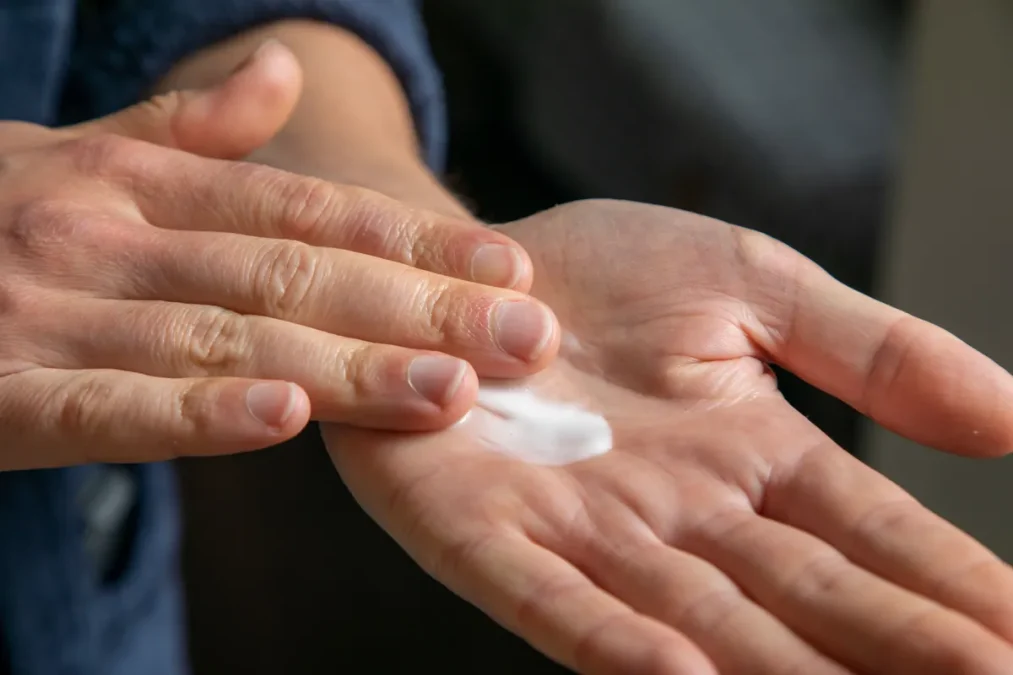
Nails and the skin around them dry out, just like the rest of your skin. Dry nails break more easily. Dry cuticles crack and tear. Use a little moisturizer, hand cream or any plain moisturizer, on your hands and feet after washing, and rub a little into the cuticles too. It takes a few seconds. The site’s 5-Step Skincare Routine for Men: The Ultimate Guide covers skin care in full; this basic is only about the skin around your nails.
Biting and picking damage the nail and the skin around it. Bitten nails look rough, and picked skin can get sore. Stopping is a habit, not a product. Keep your nails short, so there is less to bite. Notice when you bite. Many men do it when they are bored, stressed, or watching something. Keep your hands busy at those times. Give it time: a habit you have had for years does not change in a week. If biting has damaged the skin around your nails, keep the nails short and clean while it heals.
A hangnail is a small strip of torn skin next to a nail. It hurts, and it tempts you to pull it off. Do not pull it. Pulling can tear the skin further and make it sore. Trim it clean instead: wash your hands, then cut the loose strip off with clean clippers, close to the skin. Then moisturize the spot. If the skin around it stays red or sore for days, see a doctor.
Feet in shoes all day get damp, and damp feet are where most foot trouble starts. Wash your feet every day with soap and water. Dry them well, especially between the toes, where water hides. Change your socks when they get damp, and let your shoes air out between wears. Dry feet stay healthy. Damp feet do not.
Shoes that pinch the toes can press a toenail into the skin. Shoes that fit leave room for the toes to move. When you buy shoes, check that your toes have space. They should not be squeezed at the front. If a shoe hurts your toes, it is the wrong shoe, no matter how good it looks. The site’s What Is a Casual Shoe? The 2026 Guide to Mastering Style & Comfort and Steel Toe Dress Shoes for Men: 7 Styles That Look Sharp & Stay Safe cover shoe types; this basic is only about fit and toenails. The site’s boots guide (a workspace draft, not yet published) will cover boots in full.
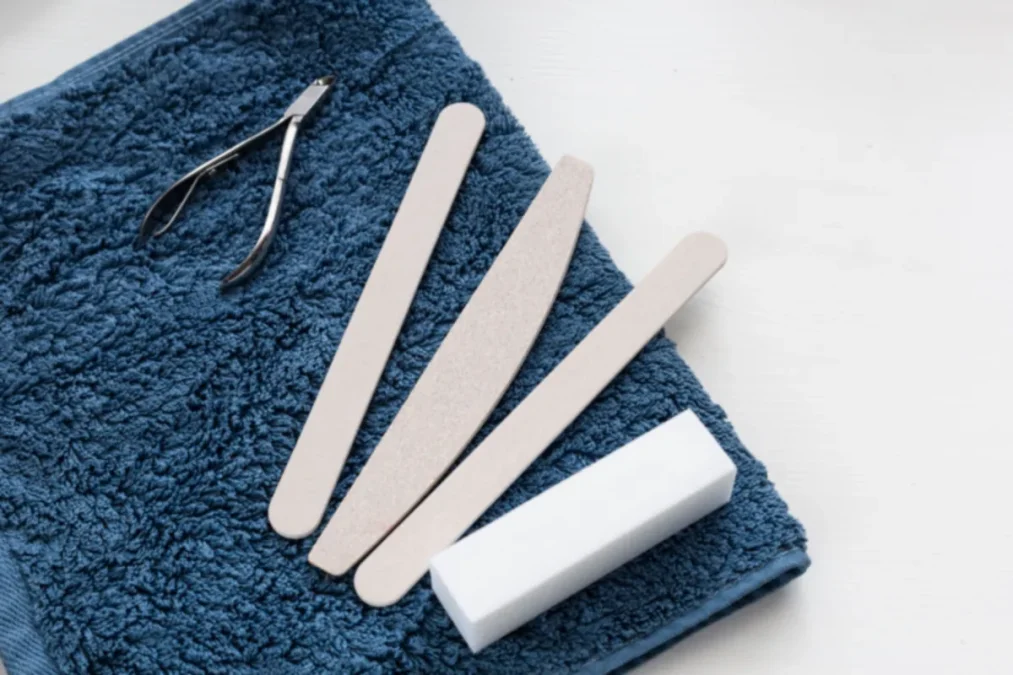
A nail clipper, a file, and a clean towel are enough. Keep them clean: wash the clippers with soap and water now and then, and dry them well. Keep your own set, and do not share clippers with others. Shared tools can pass on dirt and germs. Your own clean set is safer and simpler. Store the tools in a dry place, so they do not rust.
Gardening, cleaning, building, washing up: rough and dirty work dries out hands, cracks skin, and breaks nails. Wear gloves for it. A pair of gloves is cheap, and it saves weeks of rough, split skin. Keep a pair where you do the work, so they are there when you need them. Wash your hands and moisturize after you take the gloves off.
Every time you trim, take a look. Are the nails a normal colour? Is the skin around them calm, not red or sore? Is any nail changing shape, or getting thick? A quick look each week is how you catch a problem early. Most changes are nothing to worry about. But a nail that stays sore, swollen, or very different in colour or shape for weeks is a reason to see a doctor. See the section below.
You do not need a big routine. You need a short one you actually keep. Here it is.
Once a week, sit down for five minutes. Trim your fingernails and toenails. File the edges smooth. Clean under the nails. Push the cuticles back gently. Rub a little moisturizer into your hands, feet, and cuticles. Done. Five minutes, once a week, keeps your nails in shape all year. Put it on the same day each week, after your Sunday shower, for example, so it becomes a habit.
A nail clipper, a file, soap, a clean towel, and a little moisturizer. That is the whole kit. You do not need special tools. A soft nail brush helps for cleaning under the nails, but it is not a must. Keep the kit together in one place, so the routine takes five minutes and not fifteen.
Trim weekly. File after every trim. Clean under your nails daily, when you wash your hands. Moisturize after washing, when your hands and feet are dry. Push cuticles back weekly, after a shower. Check your nails every time you trim. That is the whole schedule: a daily clean, a weekly trim, and a few seconds of moisturizer after washing.
Cleanliness is indeed next to godliness.
John Wesley, Sermon 93, “On Dress”
Most nail problems are small, and the basics above fix them. But some need a doctor. Know the difference.
See a doctor when a nail stays sore, swollen, or very different in colour or shape for weeks. See a doctor too when the skin around a nail stays red or painful, or when a toenail keeps growing into the skin. If you have a health condition that affects your feet, see a doctor sooner rather than later. These are signs, not guesses. If it stays wrong for weeks, get it checked.
This guide makes no treatment claims. It does not say which treatment works for a nail problem, because that is a doctor’s job, not a grooming guide’s job. The right step is simple: see a doctor, describe what you see, and follow their advice. Do not try to cut out an ingrown toenail yourself, and do not guess at a fix for a nail that stays changed for weeks.
The American Academy of Dermatology has a short guide to nail care basics.
Nail care is small. It is five minutes a week, a little soap, a little moisturizer, and a pair of gloves when the work is dirty. But it is also self-care, the same kind of care as a clean shave, clean clothes, and a tidy haircut. A man who looks after his nails looks after himself. And people notice. Not because the nails are perfect, but because the man is tidy, calm, and cared for.
So keep it simple. Trim weekly, file the edges, clean under the nails, moisturize, and check when you trim. That is the whole routine. It costs almost nothing, it takes almost no time, and it shows every day.
Take care of your body. It’s the only place you have to live.
Jim Rohn
Nails are a small part of grooming, and they are easy to look after. Trim often, cut toenails straight across, file the edges smooth, and clean under your nails every day. Push cuticles back gently, moisturize hands and feet, and stop biting and picking. Keep your feet dry, wear shoes that fit, keep your tools clean, and wear gloves for dirty work. Check your nails when you trim them, and see a doctor when a nail stays sore, swollen, or changed for weeks. Five minutes a week is all it takes.
About once a week works for most men. Trim fingernails when you can see white past the fingertip, and toenails when they reach the end of the toe. If you work with your hands a lot, you may need to trim more often. A weekly check keeps it simple: trim, file, clean, moisturize, done in about five minutes.
Yes. Cut toenails straight across, and leave the corners where they are. Do not round them down into the skin. A curved cut can let the nail grow into the skin at the corner, which hurts. After cutting, file the edge smooth so it does not catch on socks.
No. The cuticle is the thin skin at the base of the nail, and it guards the nail as it grows. Cutting it can let in dirt and germs. Push it back gently instead. After a shower, when the skin is soft, use a clean towel or your thumb to push it back a little. That is all it needs.
Stopping is a habit, not a product. Keep your nails short, so there is less to bite. Notice when you bite. Many men do it when they are bored, stressed, or watching something. Keep your hands busy at those times, and give it time: a habit you have had for years does not change in a week. If biting has damaged the skin around your nails, keep the nails short and clean while it heals.
Cut toenails straight across and do not round the corners down. That is the main step. Wear shoes that fit, with room for your toes, so the shoe does not press the nail into the skin. Keep feet clean and dry. If a toenail is already sore, swollen, or red for more than a few days, see a doctor instead of trying to cut it out yourself.
Nails can break or split when they are dry, when they catch on things, or when they are cut too short. Dry hands and feet make it worse, so moisturize after washing. File the edges smooth so a small rough edge does not catch and tear. Wear gloves for rough or dirty work, and do not use your nails as tools: to open cans, scrape things, or pick at labels.
You do not need one. The 13 basics in this guide cover it. A manicure is a professional hand and nail care session; a pedicure is the same for feet. Some men like to get one now and then, for a neat trim and a clean finish. If you go, pick a clean place, and make sure the tools are clean. It is a choice, not a must.
See a doctor when a nail stays sore, swollen, or very different in colour or shape for weeks, or when the skin around it stays red or painful. See a doctor too if a toenail keeps growing into the skin, or if you have a health condition that affects your feet. This guide makes no treatment claims. A doctor is the right step, not a guess.